If your dog is scheduled to be spayed, or she’s already home recovering, it’s natural to wonder whether she’s hurting. You love her like family, and wanting to keep her at ease is one of the kindest instincts a pet parent can have.
With modern pain management and some care at home, most dogs recover from a spay without much trouble. Here’s what to expect, what’s normal, and how to help her feel like herself again.
The Short Answer
It’s normal for a dog to feel some mild to moderate discomfort after a spay. During the surgery itself, your dog is under general anesthesia, so she feels no pain at all. Afterward, as the incision begins to heal, some soreness is to be expected, similar to how a person feels tender after a procedure.
That discomfort is temporary and manageable. Most dogs start feeling better within a few days, and your veterinary team will send your girl home with a pain-management plan to keep her comfortable while she heals.
For the bigger picture, find out more about what a spay involves and why it helps your dog long term.
Why Spaying Causes Some Soreness
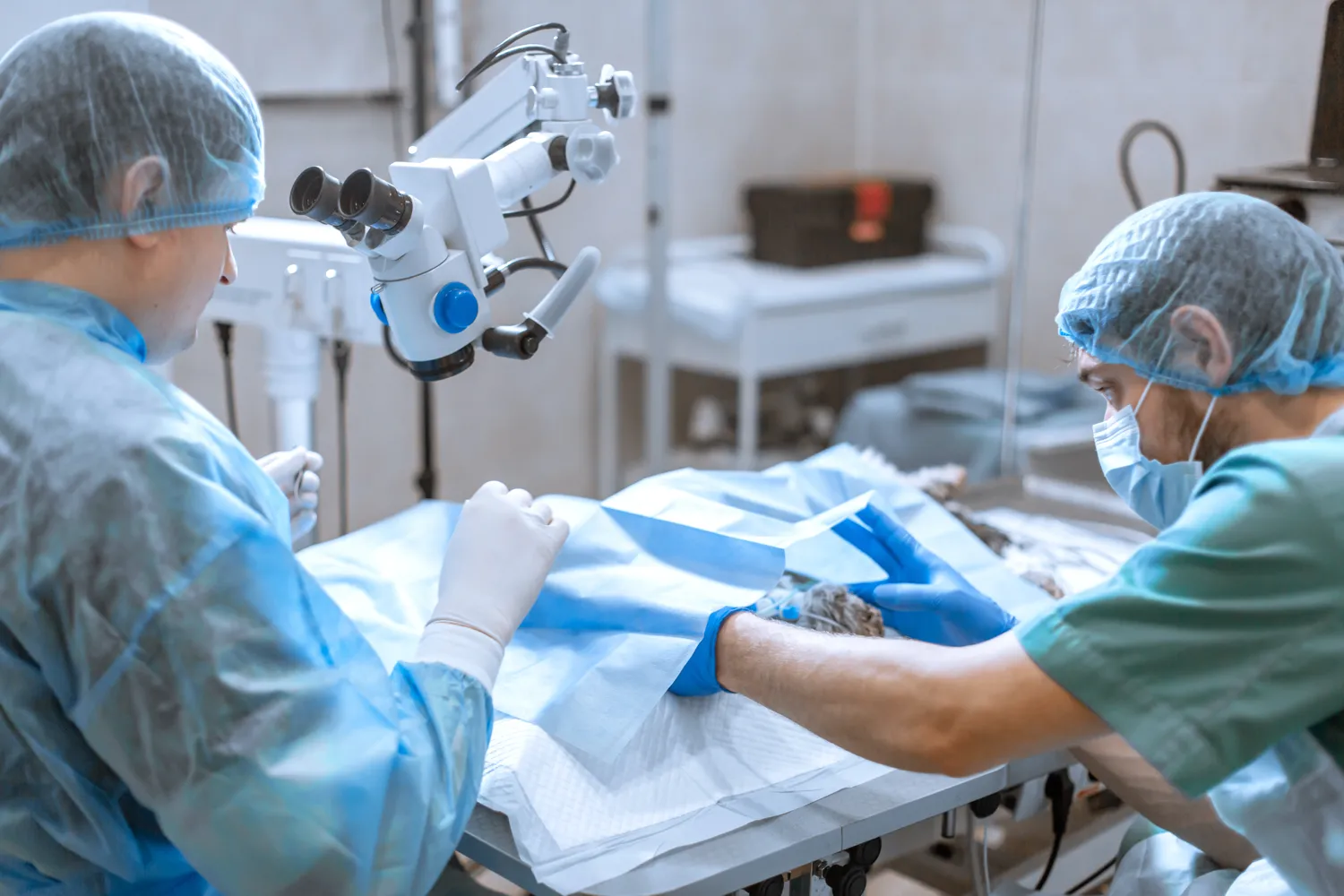
A spay (also called an ovariohysterectomy) is the surgical removal of a dog’s ovaries and uterus. Because it involves a small abdominal incision, it’s a bit more involved than a neuter, but it’s still one of the most common and routine surgeries in veterinary medicine.
The soreness your dog feels comes from the incision and the tissue healing beneath it. That’s why rest and gentle care matter so much in the days that follow.
How Long Does the Pain Last?
Every dog heals at her own pace, but here’s a general timeline of what to expect:
The first 24 hours: Your dog may seem groggy, sleepy, or a little queasy as the anesthesia wears off. This is normal. Keep her warm, quiet, and undisturbed.
Days 2 to 3: Most dogs begin acting more like themselves. Her appetite usually returns, and any discomfort should be easing. Calm, gentle movement is fine, but no running or jumping.
Days 4 to 7: Soreness usually fades a lot during this stretch. The incision should look clean and dry, with edges that stay neatly together.
Days 10 to 14: Most dogs are healed on the surface and, with your vet’s approval, cleared to return to normal activity.
Keep in mind that even when your dog seems back to normal, her internal tissues are still healing. Stick with the activity restrictions for the full recovery window, even if she’s feeling frisky.
Soreness is only one part of healing. See the full spay recovery timeline for what the next two weeks look like.
How to Tell If Your Dog Is in Pain
Dogs tend to hide discomfort, so it helps to know the subtle signs. Reach out to your veterinarian if you notice:
- Persistent whining, whimpering, or restlessness
- Heavy panting when she’s not hot or active
- Reluctance to move, or trouble getting comfortable
- Loss of appetite lasting more than a day
- Trembling or a hunched posture
A little tiredness in the first day or two is expected. But if your dog seems genuinely uncomfortable, or soreness lingers past a couple of days, it’s worth a call.
How Pain Is Managed
Keeping your dog out of pain is a priority for your care team from the start. Here’s how it usually works:
At the clinic: Long-lasting pain medication is often given during or right after surgery, and it typically controls discomfort for the first 12 to 24 hours.
At home: Your vet may send you home with additional pain medication for the next few days. Give it exactly as directed, since staying on schedule keeps her more comfortable while she heals.
One important safety note: Never give your dog human pain medications. Products like ibuprofen or acetaminophen can be dangerous, even toxic, for dogs. If she seems to be hurting, contact your veterinarian rather than reaching for anything from your own medicine cabinet.
Want to know exactly what pain protocol we use? Ask your local team before booking.
Helping Your Dog Recover Comfortably at Home
A few simple steps go a long way toward a calm recovery:
- Set up a quiet resting spot indoors, away from other pets and busy little ones.
- Limit activity. No running, jumping, or stairs for the time your vet recommends, usually around 10 to 14 days.
- Prevent licking. A cone (Elizabethan collar) or soft recovery suit keeps her from licking the incision, which can introduce bacteria and cause infection.
- Skip baths and swimming for at least 10 days so the incision can heal fully.
- Check the incision daily. It should stay clean and dry. A little mild swelling early on is normal.
Curious about what your dog will be sent home with? Our guide on pain medication after surgery explains the typical plan.
When to Call Your Veterinarian
Most spay recoveries go smoothly, but you know your dog best. Contact your veterinary team right away if you notice:
- Redness, swelling, or discharge at the incision site
- An incision that appears to be opening
- Ongoing pain or discomfort lasting more than a couple of days
- Lack of appetite, vomiting, or unusual lethargy
We’d always rather hear from you than have you worry alone. A quick phone call can bring real peace of mind.
Frequently Asked Questions
How long is a dog sore after being spayed?
Most dogs feel mild soreness for a few days, and it eases a lot within about a week. Full internal healing takes closer to two weeks.
Will my dog cry or whine after her spay?
Some whining on the first day is often just grogginess or anxiety from the anesthesia rather than real pain. If it’s persistent or comes with other signs of discomfort, call your vet.
Can I give my dog anything for pain at home?
Only medication prescribed by your veterinarian. Human pain relievers can be harmful to dogs, so always check with your vet first.
When can my dog return to normal activity?
Usually after 10 to 14 days, once your vet confirms the incision has healed and it’s safe to resume play and walks.
We’re Here for You and Your Pet
At Hometown Veterinary Partners, we treat every pet like family. From surgery day through the last stitch of recovery, our team is here with compassionate care and clear answers for the pets we see.
Ready to schedule her spay or have questions before booking? Let’s talk.
Reach out to your local Hometown Veterinary Partners clinic. We’re always glad to help.