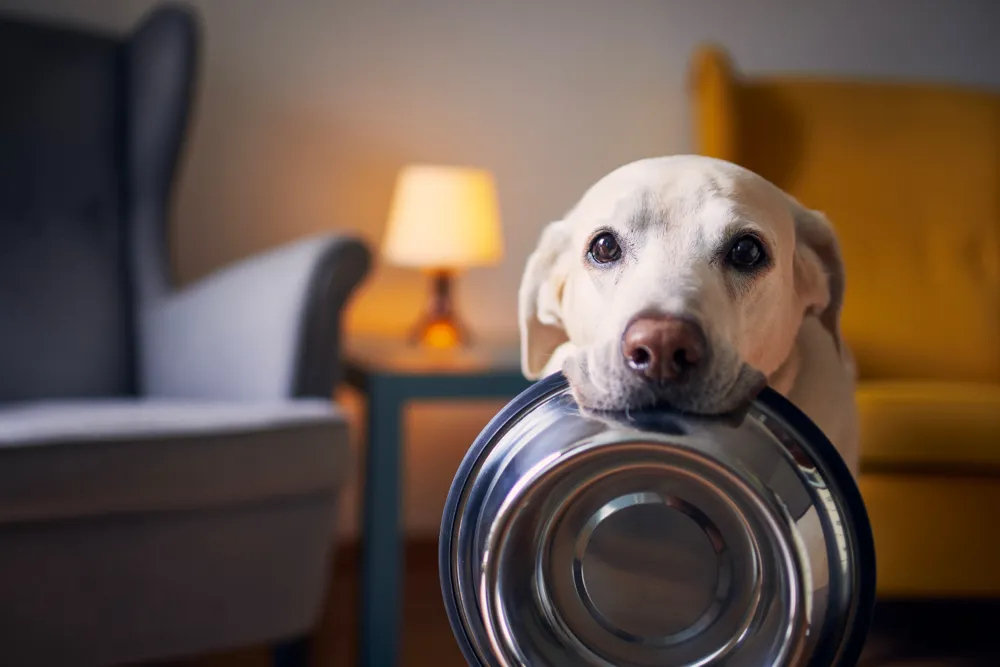
If your dog’s spay is coming up, there’s a good chance you’re double-checking one thing the night before: Is she allowed to eat? In most cases, no, your dog shouldn’t eat before her spay surgery. It’s one of the most important things you can do to keep her safe.
Spay day can bring a few nerves, especially when your dog is looking at you, wondering where her dinner went. So let’s walk through exactly what to do, why it matters, and what happens if she manages to sneak a snack anyway.
If you are still weighing the decision, the benefits of spaying and neutering is a good place to start.
The Short Answer: Can Dogs Eat Before Being Spayed?
For most healthy adult dogs, food is taken away the night before surgery. You’ll often hear this described as the “no food after midnight” rule, which usually adds up to a fast of around 8 to 12 hours before the procedure.
Here’s the quick version to keep in mind:
- Food: removed roughly 8 to 12 hours before surgery (commonly after midnight).
- Water: guidance varies. Some dogs can drink up to a few hours before, others can’t.
- Always follow your own vet’s instructions, since they’re based on your dog specifically.
The guidance below explains the general rules, but your care team’s instructions for your pet always come first.
Once fasting is sorted, you may wonder about the day itself. See how long a spaying procedure takes for the hour by hour rundown.
Why Fasting Before Spaying Matters
Understanding the “why” makes the whole thing feel less like a random rule.
During a spay, your dog is under general anesthesia. Anesthesia relaxes her body and slows down her natural reflexes, including the ones that normally keep food and liquid moving in the right direction.
If there’s food in her stomach, it can come back up while she’s asleep. With those protective reflexes relaxed, it can end up in her airway or lungs, which risks a serious complication called aspiration pneumonia.
An empty stomach removes almost all of that risk. Fasting is a simple way to help your dog come through her surgery safely.
How Long Should My Dog Fast Before a Spay?
Food
The most common guidance is to withhold food for about 8 to 12 hours before surgery. Most clinics keep this easy: feed your dog her normal dinner the night before, then take the food away at the cut-off time your team gives you (often midnight). By morning, her stomach has had plenty of time to empty before her procedure begins.
Water
Water is where instructions differ most from clinic to clinic. Traditionally, many teams asked owners to remove water along with food the night before. More recent thinking suggests that for healthy adult dogs, a normal drink of water in the hours before surgery is often perfectly fine, since it tends to pass quickly through the stomach.
That said, this is exactly the kind of detail where your vet’s specific instructions win. Some dogs gulp a big drink when they’re excited, and some conditions call for extra caution, so we’ll always tell you what’s right for your pet.
When the Rules Are Different
Not every dog fits the standard “fast overnight” approach. Here are the most common exceptions.
Puppies and Small or Toy Breeds
Very young puppies and tiny breeds burn through their energy reserves quickly, so a long fast can drop their blood sugar too low. For these little ones, your vet will often shorten the fasting window and may even recommend a small snack closer to surgery. Ask your team about timing rather than assuming the standard overnight rule applies.
Diabetic Dogs and Dogs on Medication
If your dog is diabetic, please don’t adjust her insulin or fasting on your own. The usual “skip breakfast” approach can be risky when insulin is involved. Your vet will give you a tailored plan, and if your dog takes any regular medication, just check with us about whether to give it on the morning of surgery.
“Help, My Dog Ate Before Her Spay!”
Don’t worry, this happens more often than you’d think, and it’s usually manageable.
The most important thing is to tell your care team what your dog ate and when, even if it was just a crumb off the floor. We’d always rather know, and there’s no judgement here.
Size and timing make a difference. A pea-sized pill treat is a very different situation from a full bowl of breakfast. Depending on what she had, your vet may decide it’s still safe to go ahead, or may choose to reschedule for another day.
If we do move the surgery, please know that’s not a setback; it’s simply us being cautious, because waiting one more day is always better than taking an avoidable risk.
Simple Ways to Prepare the Night Before
A little prep makes surgery morning calmer for both of you:
- Feed your dog her normal dinner, then remove her food at the cut-off time your team gives you.
- Keep her indoors or confined overnight so she can’t snack on anything outside or get into any toxic household items while unsupervised.
- Put the lids on bins and toilets, and pick up any other pets’ food bowls.
- Have her leash or carrier ready, along with a quiet, comfy space for her to rest when she comes home.
For more pointers on what to bring and how to make the morning run smoothly, our guide on preparing for your vet appointment is a helpful read. Simple preparations the night before help ensure there’s nothing left to scramble for in the morning.
We’re Here to Guide You Every Step of the Way
Preparing for a spay doesn’t have to feel overwhelming. At Hometown Veterinary Partners, we treat every pet like family, and that means taking the time to answer your questions and explain exactly what to expect before, during, and after surgery.
If you’re unsure about fasting, water, or anything at all ahead of your dog’s spay, give your local Hometown team a call. We’re always happy to talk it through so you both feel confident on the day.
For the recovery side of things, read about whether dogs are in pain after a spay.
Frequently Asked Questions
Can dogs drink water before being spayed?
Sometimes. Many healthy adult dogs can have a normal drink of water up until a few hours before surgery, but some clinics prefer to remove water overnight. Always follow your own vet’s instructions, as they’re based on your dog’s individual needs.
How many hours should a dog fast before spaying?
Most healthy adult dogs fast for around 8 to 12 hours before surgery, which is why the “no food after midnight” rule is so common for morning procedures. Your vet may adjust this based on your dog’s age, size, or health.
What happens if my dog eats before surgery?
Let your care team know right away and be honest about what and when. Depending on the amount and timing, your vet may still proceed or may reschedule as a safety precaution. Either way, it’s about protecting your dog.
Can puppies eat before being spayed?
Puppies and very small breeds often need a shorter fast to avoid low blood sugar, and some may be given a small snack closer to surgery. Always ask your vet for guidance specific to your puppy rather than following the standard overnight rule.