Your cat’s been pacing and calling at the door half the night, which usually means she’s in heat. For a lot of owners, that’s the point when spaying starts to feel overdue. But it often comes with a worry that if you change her hormones, will you change who she is?
It’s a fair thing to wonder. The truth is that spaying changes how a cat behaves, not her personality. She’ll still be the same cat you know. Let’s walk through exactly what to expect, so you can feel confident about the decision.
Personality vs. Behavior: What’s Actually Changing?
The difference between the two is where most of the worry comes from.
Personality is who your cat is – how playful or cuddly she is, the way she greets you, the fact that she’s claimed your laundry basket as hers. Spaying doesn’t touch any of that.
Behavior is what she does, and some of it runs on hormones. When those hormone-driven behaviors quieten down, you’re not getting a different cat. You’re getting a more settled version of your beloved pet.
What Changes After Your Cat Is Spayed?
Spaying removes the ovaries and uterus, which ends the heat cycle and the hormone swings that come with it. Most owners notice a few things after that:
- The heat cycles stop, along with the loud, restless yowling that came with them every few weeks.
- The urge to escape and find a mate fades, which also means less roaming and a safer cat.
- Cats who sprayed or marked usually do it less.
- The general mood tends to level out.
Think of it as turning down the noise the hormones were making, so the cat you already like comes through more consistently.
Beyond behavior, spaying carries real health benefits. See the health benefits of spaying and neutering for the full picture.
What Stays the Same
This is the part worth holding onto. Spaying won’t:
- Make an affectionate cat distant, or a playful cat dull.
- Turn a shy cat outgoing, or a bold cat timid.
- Take away the little quirks that make her her.
In fact, some owners feel their cat becomes more affectionate afterward, not because her character changed, but because she’s no longer distracted by the urge to mate.
Will My Cat Act Differently Right After Surgery?
For a day or two, yes, but that’s recovery, not a personality shift.
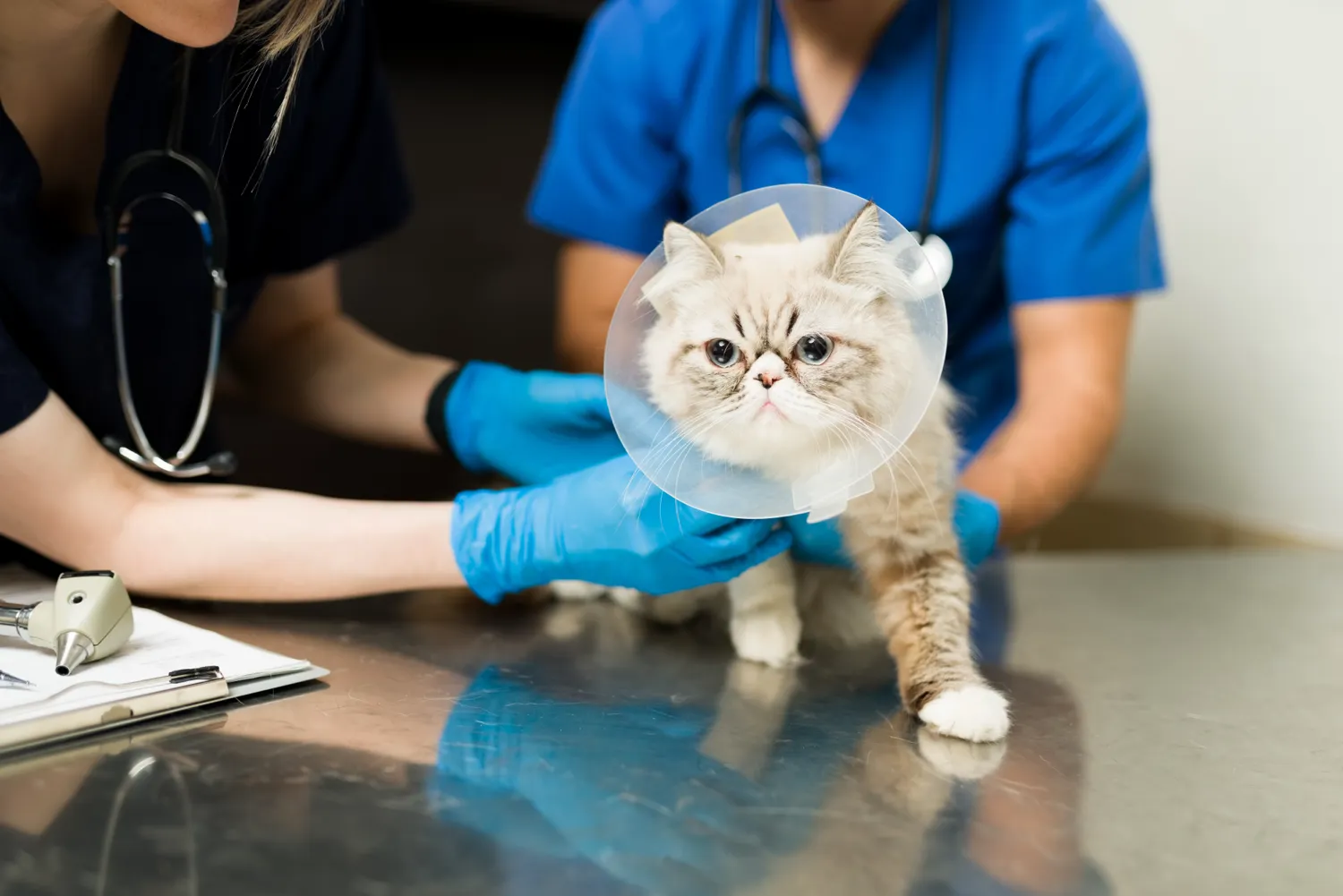
It’s normal for your cat to be sleepy, quiet, or a little unsteady as the anesthesia wears off. She may want to hide or rest more than usual. None of this is a sign that anything has changed about who she is.
Most cats are back to themselves within a couple of days, with the incision healing over about 10 to 14 days. A calm, quiet space to recover in helps a lot.
How Long Until Hormones Settle?
The behavioral benefits of spaying don’t happen overnight. It takes roughly six to eight weeks for hormones to fully rebalance. So if your cat was mid-cycle around surgery, you may still see the odd leftover behavior for a little while. It settles gradually.
Does It Matter What Age My Cat Is Spayed?
There’s a bit of nuance around the right age to spay a kitten. Those spayed before around six months usually never develop strong heat-driven behaviors in the first place, so there’s not much visible change at all. Cats spayed later in life may show a bit more of a shift simply because those hormonal behaviors had a chance to establish. Either way, the core personality stays intact.
One Thing to Watch: Weight
The one real long-term change is metabolism. Spayed cats need slightly fewer calories, so without a small diet adjustment, they can gain weight over time. This is easy to manage with the right portion sizes and regular play, and your veterinary team can help you plan for it.
When to Call Your Vet
Most cats come through a spay with no problems, and the quiet, sleepy behavior in the first few days is normal. It’s still worth knowing what isn’t.
Call your vet if your cat:
- Stays very lethargic beyond the first two or three days
- Won’t eat or drink for more than a day
- Seems to be in pain instead of slowly improving
- Has an incision that looks red, swollen, or is oozing
- Keeps licking or biting at the incision
None of these means her personality has changed. They’re the ordinary things a vet wants to hear about after surgery, and catching them early keeps recovery on track. When in doubt, call and ask.
The Bottom Line
So, do cats’ personalities change after being spayed? No. You’ll still have the same cat, usually a calmer, more content version, without the stress of heat cycles pulling her around. The changes you’ll notice are behavioral, and most of them make life better for both of you.
If you have questions about spaying your cat or want to talk through what to expect, the team at Hometown Veterinary Partners is here to help, in plain terms, without the jargon, every step of the way. Contact your local clinic today.
This article does not constitute medical advice. Always consult a veterinarian for guidance specific to your pet.
Frequently Asked Questions
Do female cats get calmer after being spayed?
Usually, yes. Without heat cycles, most cats are noticeably more relaxed. Keep in mind this shift is gradual rather than instant, so give her a few weeks to settle into it.
Will my cat be less affectionate after spaying?
No. Affection is part of her personality, which spaying doesn’t change. A lot of cats actually become a little more affectionate once they’re no longer distracted by the urge to find a mate.
Can spaying make my cat depressed?
True depression is rare. What looks like sadness in the first few days is almost always normal recovery tiredness from the anesthesia. If low energy or a poor appetite lasts beyond a few days, though, it’s worth giving your vet a call to rule out anything else.
How long do behavior changes take?
Around six to eight weeks, which is how long it takes for her hormones to fully settle. If she was mid-cycle when she was spayed, you might still notice some leftover behavior in the meantime.