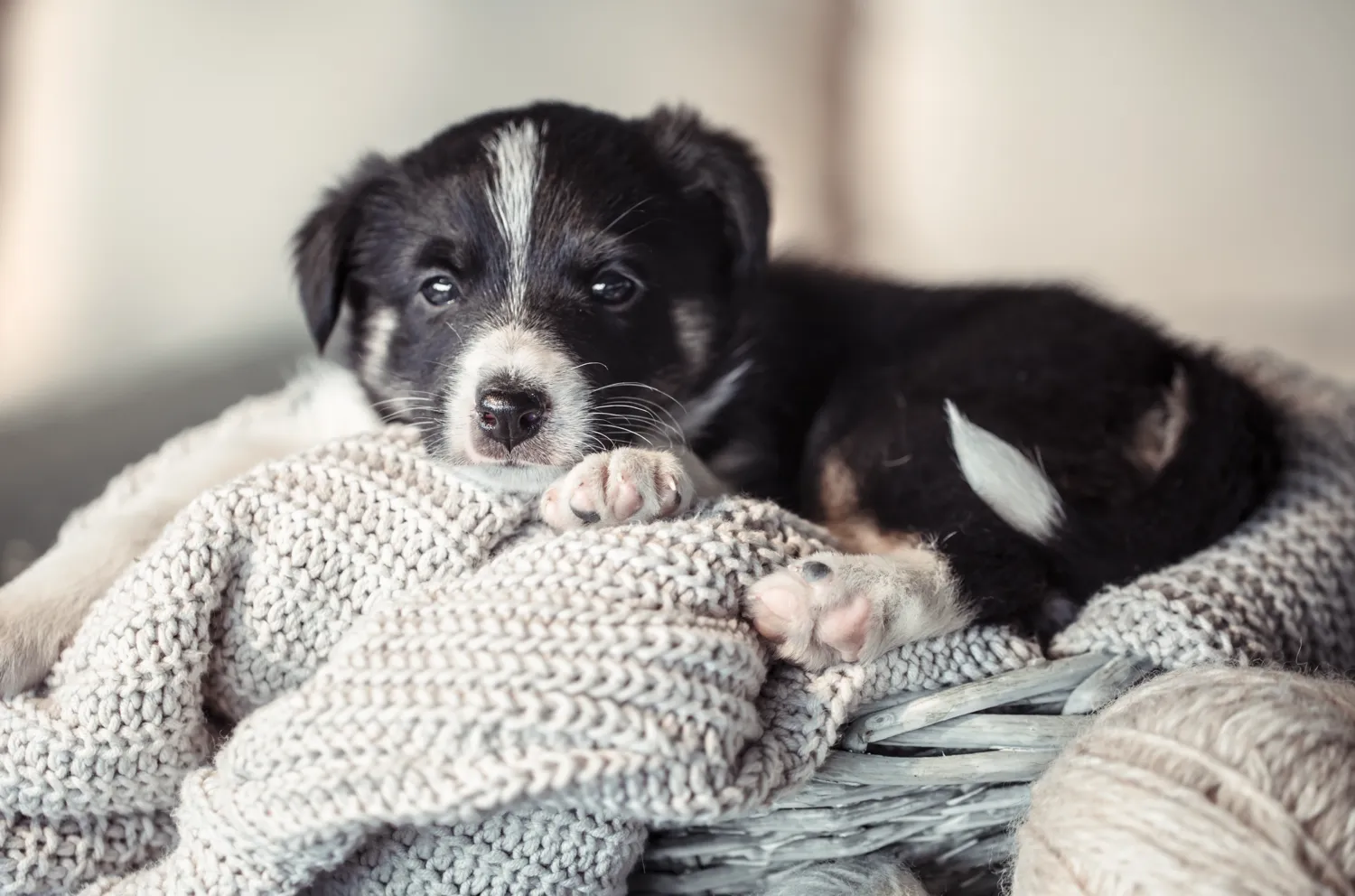
Puppy diarrhea is common, and in many cases, it is mild and short lived. Puppies have sensitive digestive systems, and things like diet changes, stress, or eating something unusual can easily cause loose stool.
If your puppy is still eating, drinking, and acting normal, the issue may resolve on its own within a day or two. But while some cases are harmless, others can signal a more serious problem that needs attention.
Knowing the difference is key.
Is diarrhea normal for puppies?
It is very common to see a puppy with loose stools, especially during periods of growth, change, or adjustment. Puppies do not have the same stability in their digestive systems as adult dogs. Add in their curiosity, and it is easy to see why stomach issues happen.
Think about how often puppies:
- Try new foods
- Chew on random objects
- Experience changes in routine
- Encounter new environments
All of these can impact digestion. On top of that, parasites and infections are more common in younger dogs, especially if they are not fully vaccinated or are recently adopted.
The “watch and wait” phase
Not every case needs immediate action. If your puppy has diarrhea but is still eating and drinking and seems completely normal otherwise, it may be reasonable to monitor for a short time.
You are likely in a mild situation if your puppy is:
- Eating meals like usual
- Drinking water without issue
- Playing and interacting normally
- Sleeping comfortably
At this stage, the focus is observation. You are looking for improvement, not perfection.
Red flags that change everything
There is a point where diarrhea stops being something to monitor and becomes something to act on.
The biggest warning signs tend to stand out:
- Stool that contains blood or looks very dark
- Diarrhea that continues beyond a couple of days
- Vomiting that starts alongside it
- A noticeable drop in energy
- Refusing food or acting withdrawn
Even one of these can be enough to justify a call to your vet. Puppies do not have a lot of margin for error when it comes to fluid loss and illness.
What most owners overlook
One of the biggest mistakes is waiting too long because the puppy is “still eating.” Appetite alone is not a reliable indicator of health. Puppies can continue eating even when:
- They are developing a parasite issue
- Their body is starting to become dehydrated
- A mild condition is becoming more serious
This is why looking at the full picture matters more than focusing on just one symptom.
What to do if your puppy has diarrhea
If your puppy is still acting normal, you can take a few simple steps at home to help settle their stomach and support recovery.
Start by keeping things simple. Stick to routines and avoid anything new that could make symptoms worse.
- Make sure fresh water is always available
- Offer a bland diet like plain boiled chicken and rice
- Feed smaller portions more frequently
- Avoid treats, table scraps, and sudden food changes
You can also help by reducing stress and activity:
- Keep their environment calm and consistent
- Limit intense play for a day or two
- Give their body time to rest and recover
As you do this, keep a close eye on:
- Stool consistency and frequency
- Energy levels
- Appetite and drinking habits
Most mild cases improve within 24 to 48 hours. If you are not seeing progress, it is time to take the next step.
Trust your instincts
If you are asking yourself whether you should be worried, that is usually your answer.
You know your puppy best, and when something feels off, it is worth checking. Our team is here to give you clear guidance and help you take the next step with confidence. All of our clinics offer same-day appointments, with select locations allowing walk-ins.
Reach out today to get answers and make sure your puppy is on the right track.