Puppy has diarrhea, but is still eating and drinking
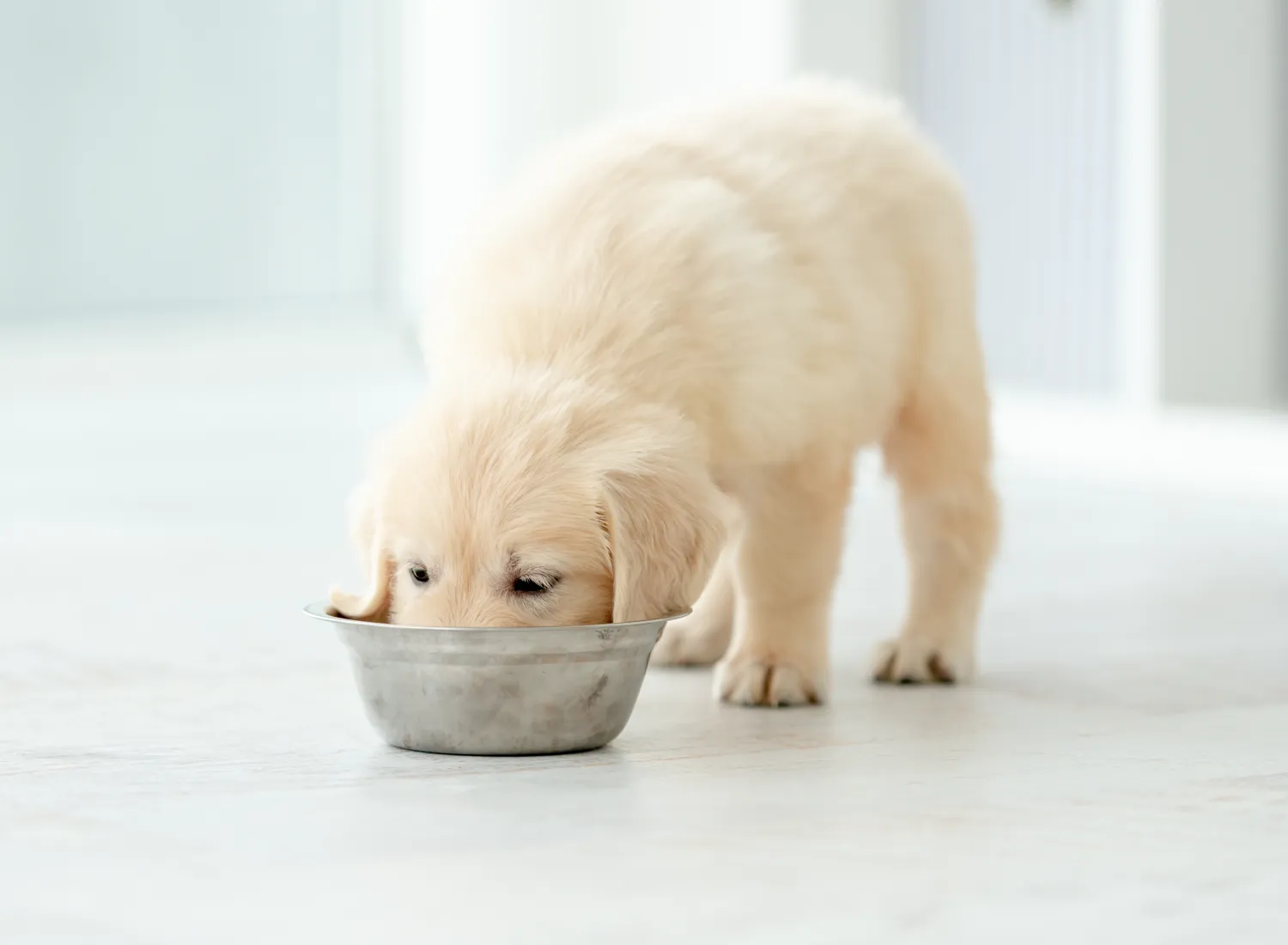
If your puppy has diarrhea but is still eating and drinking, it can feel confusing. The good news is that this is often a sign the issue may be mild, especially if your puppy is still active and alert.
That said, diarrhea is never something to ignore. Even when your puppy seems fine, it can point to underlying issues that may need attention.
Common causes of diarrhea in puppies
Puppies are naturally curious, and their digestive systems are still developing. This makes them more likely to experience occasional stomach upset.
Some of the most common causes include:
- Sudden changes in diet
- Switching dog food too quickly
- Eating table scraps or human food
- Getting into trash or outdoor debris
- Parasites such as roundworms or hookworms
- Bacterial imbalances in the gut
- Mild viral infections
- Stress from a new home or environment
- Travel or changes in routine
What “normal behavior” actually looks like
A puppy that is still doing well overall will usually show a mix of these signs. When these are present, it is often okay to monitor at home for a short period:
- Eating meals without hesitation
- Drinking water throughout the day
- Staying curious, alert, and playful
- Sleeping normally
- No vomiting or visible discomfort
How to help a puppy with diarrhea
If your puppy seems okay otherwise and is still eating and drinking, you can often support their recovery at home with a few simple adjustments. The goal is to give their digestive system time to rest while keeping them comfortable and hydrated.
Start with the basics:
- Keep fresh, clean water available at all times to prevent dehydration
- Encourage small, frequent sips if they are not drinking much at once
- Feed a bland diet like plain boiled chicken and white rice
- Stick to simple, easy to digest foods for a few days
- Avoid treats, table scraps, and any new foods
- Offer smaller portions more frequently instead of large meals
You can also take a few extra steps to help them recover:
- Limit intense play or exercise for a day or two to reduce stress on their body
- Keep their environment calm, especially if they have recently experienced changes
- Maintain a consistent feeding schedule to support digestion
- Monitor their stool closely for changes in color, consistency, or frequency
- Watch their behavior for any shifts in energy, appetite, or comfort
As your puppy starts to improve, you can slowly transition them back to their regular food over several days to avoid upsetting their stomach again.
In mild cases, you should start to see improvement within 24 to 48 hours. If symptoms continue, worsen, or new symptoms appear, it is best to contact your veterinarian for guidance.
When to be concerned
Even if your puppy is still eating, it is important to know when to be concerned about puppy diarrhea. While mild cases can resolve on their own, certain symptoms can point to a more serious underlying issue.
Watch for:
- Diarrhea lasting more than 1 to 2 days
- Blood, mucus, or black stool
- Vomiting
- Loss of appetite
- Low energy or lethargy
- Signs of dehydration
- Whining or signs of pain
- Very young puppies with any symptoms
Puppies can decline quickly, so it is always best to act early.
Get help if symptoms continue
Trust your instincts. If something does not feel right, it is always worth getting expert guidance. It is always better to check early than wait and risk your puppy getting worse.
Reach out to your vet if:
- Symptoms are not improving within 24 to 48 hours
- New symptoms develop
- Behavior or energy levels change
- You notice anything unusual in their stool
- You are unsure what to do next
If you are questioning it, that is reason enough to call.
Our team is here to give you clear answers, fast support, and peace of mind. We will help you understand what is going on and make sure your puppy gets the care they need. All of our clinics offer same-day appointments, with select locations allowing walk-ins.
Call now or book an appointment today to get your puppy back to feeling their best.