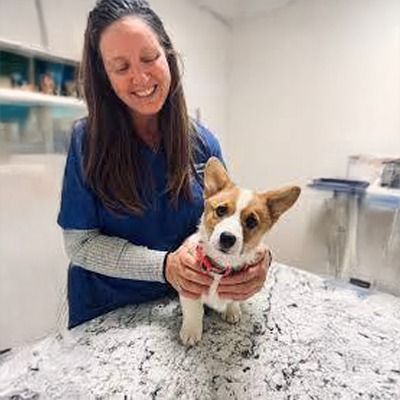

If you are considering microchipping your cat, it is normal to have questions about safety. Many pet owners want to know whether the procedure hurts, if there are any risks involved, and whether the benefits outweigh the concerns.
The good news is that microchipping has been used safely in cats for decades and is considered a routine part of preventive veterinary care. For most cats, the procedure is quick, simple, and associated with very few complications.
Why veterinarians recommend microchips
Microchips provide permanent identification that stays with your cat for life.
Unlike collars and tags, which can break, fall off, or become unreadable over time, a microchip remains in place beneath the skin. If your cat is ever found by a shelter, veterinary clinic, or animal control officer, they can scan the chip and access the registration information connected to it.
This greatly improves the chances of being reunited with your pet if they become lost.
What the procedure involves
Microchipping is much simpler than many people expect.
A tiny microchip, about the size of a grain of rice, is inserted beneath the skin, typically between the shoulder blades. The process is similar to administering an injection and usually takes only a few minutes from start to finish.
During the appointment, the veterinary team will:
- Scan the chip before placement
- Insert the microchip beneath the skin
- Confirm proper placement
- Scan the chip again to ensure it is working
Most cats remain awake throughout the procedure.
If you would like a closer look at the process, read our guide on how to microchip a cat.
Does microchipping hurt?
Most cats tolerate microchipping very well.
The needle used is larger than a typical vaccine needle because it contains the microchip, but the insertion is quick. Many cats react no differently than they would during a routine vaccination appointment.
Some cats may briefly flinch or become startled, while others barely notice the procedure at all.
For owners who are concerned, microchipping can also be performed while a cat is under anesthesia for a spay or neuter procedure, although this is not necessary.
Are there any risks?
Microchipping is considered extremely safe, but like any medical procedure, there are some potential risks.
Possible side effects may include:
- Mild swelling at the injection site
- Temporary tenderness
- Minor irritation
These reactions are typically short-lived and resolve on their own without treatment.
Serious complications are very uncommon. For most cats, the benefits of permanent identification far outweigh the small risks associated with implantation.
Can a microchip move around?
Yes, microchips can occasionally migrate slightly beneath the skin after placement.
This sounds alarming, but it is usually not a cause for concern.
Veterinary clinics and shelters know that migration can happen, which is why they scan across a broad area rather than looking in just one location. Even if a chip moves slightly, it can usually still be detected and read without any problems.
The movement does not typically affect your cat’s comfort or health.
What microchips do not do
One common misconception is that microchips track your cat’s location.
They do not.
- Track movement
- Show your cat’s location
- Monitor activity
- Store medical records
Instead, they contain a unique identification number that can be read when scanned.
If you are curious about the technology, our guide on how microchips work in cats explains the process in more detail.
Indoor cats benefit from microchips too
Many people assume that indoor cats do not need microchips because they rarely go outside.
However, indoor cats can become lost in unexpected ways.
A cat may:
- Slip out an open door
- Escape during a move
- Get outside during an emergency
- Push through a damaged screen
Because indoor cats are often unfamiliar with outdoor environments, they may become frightened and have difficulty finding their way home.
That is why veterinarians frequently recommend microchipping for both indoor and outdoor cats.
The most important part happens after implantation
Many owners focus on the procedure itself and overlook the next step.
Once your cat is microchipped, the information must be registered and kept current.
Be sure to:
- Register the microchip promptly
- Update your phone number when it changes
- Update your address after moving
- Verify your information periodically
A microchip is only effective if the contact information connected to it is accurate.
You may also wonder whether older microchips need to be replaced over time. Our guide on do pet microchips expire explains how long microchips last and what owners should know.
Peace of mind in a tiny package
Microchipping is one of the safest and most effective ways to protect your cat. The procedure takes only a few minutes, but it can provide lifelong identification and dramatically improve the chances of being reunited if your cat ever becomes lost.
Our team can answer your questions, implant a microchip, and help make sure your registration information is complete and up to date.
Schedule an appointment today to give your cat an extra layer of protection.