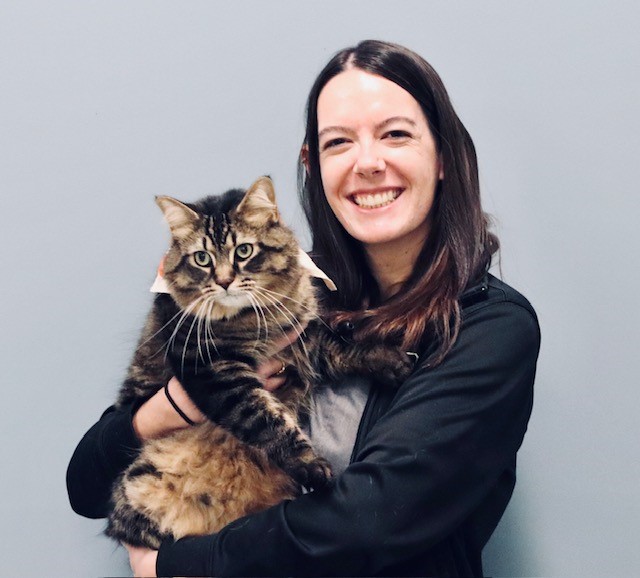

Cats are experts at hiding when something is wrong, which is part of what makes worms so easy to overlook. Knowing how to tell if your cat has worms comes down to noticing small shifts in their appetite, energy, or litter box habits before anything looks obviously off.
Some cats carry a mild infection for weeks with almost no signs at all, while others show clear digestive trouble. The sooner you spot the clues, the sooner your cat can get the care they need to feel better.
The signs are often easy to miss
Not every cat with worms looks sick. Many keep eating, grooming, and going about their day while the early signs stay quiet.
The first hints tend to be small changes that build up over time. You might notice:
- Lower energy or less interest in play
- A duller, rougher coat than usual
- Mild changes in appetite
- Occasional scooting or extra grooming near the tail
A cat that seems a little “off” without any single obvious symptom is common in the early stages, especially with a mild infection.
The most common symptoms of worms in cats
As worms become more active in the digestive tract, the signs usually get easier to recognize. Common symptoms include:
- Vomiting
- Diarrhea or soft stool
- Weight loss even when eating normally
- A bloated or rounded belly
- Visible worms or worm segments near the tail
- Scooting or dragging the rear along the floor
These symptoms sometimes come and go rather than staying constant. Your cat may seem fine for a stretch, then have another bout of digestive upset. Over time, untreated worms can interfere with how your cat absorbs nutrients, which is why weight loss and a poor coat often show up together.
What worms actually look like
Sometimes the clearest sign is seeing the worms yourself, either in your cat’s stool or around the tail area. Different parasites have a different look:
- Roundworms resemble strands of spaghetti
- Tapeworm segments look like small grains of rice and may turn up near the tail or in bedding
- Some worms only appear after a bowel movement
Not seeing worms does not mean your cat is in the clear. Many parasites are microscopic or only shed pieces of themselves from time to time, so your cat can have worms even when nothing is visible.
The types of worms that affect cats
Several kinds of worms can infect cats, and each behaves a little differently.
- Roundworms are the most common, especially in kittens. They live in the intestines and can pass from a mother cat to her litter.
- Tapeworms are flat and segmented. Cats usually pick them up by swallowing an infected flea while grooming.
- Hookworms are small but attach to the intestinal wall and feed on blood, which can lead to anemia in more serious cases.
- Heartworms are different from the rest. They spread through mosquito bites rather than contact, and they affect the heart and lungs instead of the digestive tract. Heartworm is less common in cats than in dogs, but prevention is kinder than dealing with an infection later.
Many of the same parasites affect dogs too, though the signs can look different. If you have both in the household, here is .
Kittens often show signs sooner
Young cats tend to feel the effects of worms faster than adults. Their immune systems are still developing, and they become dehydrated more quickly when diarrhea or vomiting is involved.
A kitten with worms may:
- Develop a potbellied appearance
- Have diarrhea more often
- Lose weight or grow more slowly than expected
- Seem tired or less playful
Because parasites can pull nutrients away from a growing body, catching worms early matters even more in kittens.
How cats get worms, indoor cats included
It is a common myth that indoor cats are safe from worms. They are less exposed, but not risk-free. Indoor cats most often pick up worms through:
- Swallowing an infected flea while grooming
- Hunting and eating rodents, birds, or insects
- Contact with contaminated soil tracked inside on shoes or by other pets
- Nursing from an infected mother, in the case of kittens
Fleas can find their way indoors, and a single one swallowed during grooming is enough to pass along tapeworms.
Can cat worms spread to people?
Some cat worms can affect people, but fortunately, the risk stays low with a few simple habits. Cleaning the litter box regularly and washing your hands afterwards goes a long way, especially alongside routine prevention.
Children should wash their hands after handling pets, since they are more vulnerable to the worms that can occasionally pass to humans. Staying current with your cat’s parasite prevention protects your whole household, not just your cat.
When to call your vet
A single symptom does not always mean worms. If you are unsure , our guide can help. It is a good idea to reach out to your vet if your cat has:
- Diarrhea or vomiting that keeps returning
- Weight loss without a clear reason
- A swollen or bloated belly
- Visible worms in the stool or near the tail
- Ongoing scooting or irritation
The earlier worms are identified, the easier they usually are to treat. We offer same-day appointments at every clinic, with walk-ins available at select locations, so you do not have to wait when something seems wrong.
How worms are diagnosed and treated
Most intestinal worms are diagnosed with a simple stool test, where your vet looks for parasite eggs under a microscope. Bringing a fresh sample to your appointment helps speed things along.
Once the type of worm is identified, treatment usually involves deworming medication, sometimes a follow-up stool check, and a plan for ongoing prevention. The right approach depends on which worm your cat has and how far along the infection is, which is why a proper diagnosis matters more than reaching for an over-the-counter product on your own.
Prevention is the easiest part
Most worm infections are preventable. Regular wellness exams, periodic stool checks, and year-round flea prevention keep your cat’s risk low and catch problems before they grow. Monthly preventives protect against several parasites at once and help safeguard the other pets in your home too. Prevention takes far less effort than treating an infection that has had time to settle in.
We are here to help
If you think your cat may have worms, you do not have to wait for things to get worse. Our team is here to find the cause of your cat’s symptoms and treat it, then help you keep them healthy going forward.
We offer same-day appointments at every clinic, with select locations offering walk-ins. Reach out today and we will help your cat feel better. or call today to get started.
Frequently asked questions
Can an indoor cat get worms?
Yes. Indoor cats are lower risk, but they can still be exposed through fleas brought inside, contaminated soil tracked in on shoes, or by catching insects. Routine stool checks are a good idea even for cats that never go outside.
What do cat worms look like in a cat’s stool?
Roundworms look like white, spaghetti-like strands and may show up in stool or vomit. Tapeworm segments look like small grains of rice and are more often found near the tail or in bedding than in the stool itself.
Can cat worms spread to humans?
Some can. Good litter box hygiene, regular hand washing, and keeping your cat on a steady prevention plan keep the risk low. Children should be especially careful to wash their hands after handling pets.
How often should my cat be dewormed?
It depends on your cat’s lifestyle and how much time they spend outdoors. Cats that go outdoors or hunt may need deworming more often. Your vet can recommend a schedule based on your cat’s needs and stool test results.