If you’re budgeting for your cat’s care, the rabies vaccine is one of the first things worth understanding. It’s one of the more affordable and most important things you’ll do for your cat all year, though what you pay depends on a handful of factors.
We’ll walk through what shapes the cost, how often your cat actually needs the shot, and why it matters more than most owners realize.
It’s also often required by law, and it protects your cat against a disease that has no cure.
What to expect when you book a rabies vaccine
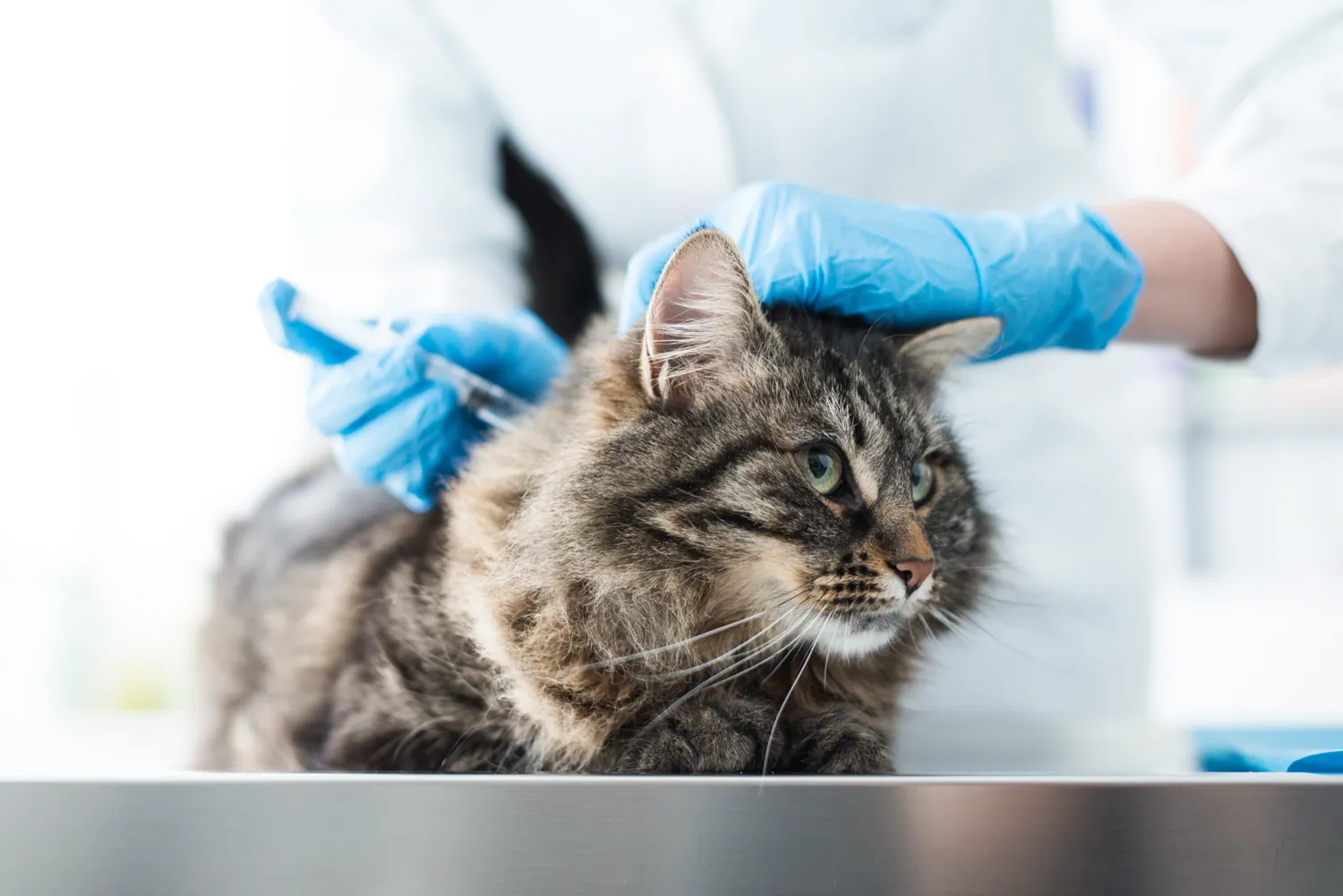
The rabies vaccine is a routine, quick appointment, and it’s often given alongside your cat’s other core vaccines during the same visit. At Hometown Veterinary Partners, same-day and weekend appointments allow you to get it done without rearranging your week.
Some clinics include the shot as part of a wellness exam, while others list the vaccine and the office visit separately. It’s always best to ask what a visit includes.
How much is the rabies vaccine?
It varies from cat to cat. The best way to get a clear figure is to call your local Hometown Veterinary Partners practice, where the team can give you a tailored quote based on your cat and what the visit involves.
A few things shape what you pay:
- Where you live: Urban clinics generally cost more than rural ones. Many counties also charge a pet registration or tag fee, which varies by location.
- Type of clinic: A private practice vs. a low-cost or shelter clinic.
- Your cat’s age and stage: A kitten’s first vaccine vs. an adult booster.
- 1-year vs. 3-year vaccine: The 3-year version often costs a little more upfront but covers a longer stretch.
- Whether an exam is included: Because the rabies vaccine must be given by a licensed veterinarian rather than a vet tech, a brief exam is usually part of the appointment.
The rabies shot is only one part of your cat’s yearly vaccine budget. Our guide on how much pet vaccinations cost for dogs and cats breaks down the wider picture.
How often does a cat need a rabies vaccine?
Rabies isn’t a one-and-done shot, so the schedule shapes your long-term cost. Here’s the general rhythm most cats follow:
- Kittens usually get their first rabies vaccine around 12 to 16 weeks of age.
- A booster follows about one year later.
- After that, cats need a booster every 1 to 3 years, depending on the vaccine used and your local laws.
Your veterinarian will tailor the exact timing to your cat’s age, health, and lifestyle, so you always know what’s due next.
Rabies is one of several core vaccines cats need. Read more on why vaccinating your cat matters and how the full schedule fits together.
Do indoor cats really need a rabies vaccine?
It’s a common question. If your cat never goes outside, why vaccinate? The reality is that “indoor only” isn’t always airtight. Cats slip out through open doors, and wildlife finds its way in. Bats are a surprisingly common example, and they’re one of the main carriers of rabies.
There’s also the legal side. Most states require the rabies vaccine for all cats, regardless of where they spend their days. Staying current protects you, too: if an unvaccinated cat ever bites someone or tangles with another animal, the situation gets far more complicated.
Why the rabies vaccine is worth it
Rabies is almost always fatal once symptoms appear, and there’s no treatment once it takes hold, which makes prevention the only real protection your cat has. (For more on how rabies spreads and how to prevent it, see our full guide.)
Set against that, the cost of a routine shot is small. You’re paying for your cat’s safety, your family’s peace of mind, and clean records if anyone ever asks for proof of vaccination.
Ways to keep costs manageable
Protecting your cat doesn’t have to strain your budget. A few options can help:
- Ask about low-cost vaccine clinics and county programs in your area.
- Bundle the rabies shot with a routine wellness visit or your cat’s other core vaccines.
- Ask whether a 3-year vaccine is right for your cat. Fewer visits can mean less over time.
- Consider a wellness or preventive-care plan if your clinic offers one.
A good veterinary team will help you plan ahead so there are no surprise bills.
This article does not constitute medical advice. Always consult a veterinarian for guidance specific to your pet’s health.
Frequently asked questions
Is the rabies vaccine required by law for cats?
In most U.S. states, yes. Rabies vaccination is legally required for cats, including indoor-only cats. Exact rules vary by state and county, so it’s worth checking your local requirements or asking your vet. Proof of vaccination is also commonly needed for boarding, grooming, and travel.
Can indoor cats skip the rabies vaccine?
It’s not recommended, and in most areas it isn’t allowed. Indoor cats can still escape or encounter wildlife that gets inside, and bats (common rabies carriers) can slip in through open windows or chimneys. The vaccine protects your cat and keeps you covered legally.
When does a kitten get their first rabies vaccine?
A kitten’s first rabies vaccine is typically given alongside their other early shots during a wellness visit, which keeps the first year simple and means fewer separate trips. Your vet will map out the full schedule at that first appointment.
Is the 1-year or 3-year rabies vaccine better?
Neither is “better”; it depends on your cat and local law. The 3-year vaccine costs a little more upfront but means fewer visits over time, while the 1-year is given annually. Your vet will recommend the right option based on your cat’s age, health, and where you live.
Are there side effects from the rabies vaccine?
Most cats have no reaction at all. Mild, short-lived effects like tiredness, a slightly reduced appetite, or tenderness at the injection site can happen for a day or two. Serious reactions are rare, but if you notice swelling, vomiting, or trouble breathing, contact your vet right away.
Talk to your Hometown Veterinary Partners team
Every cat is a little different, and so is every budget. If you’re not sure what your cat needs, or you just want a clear, upfront quote before you book, reach out to your nearest Hometown Veterinary Partners location. We’ll explain exactly what’s included, help you plan around your cat’s schedule, and keep the whole thing simple and stress-free.