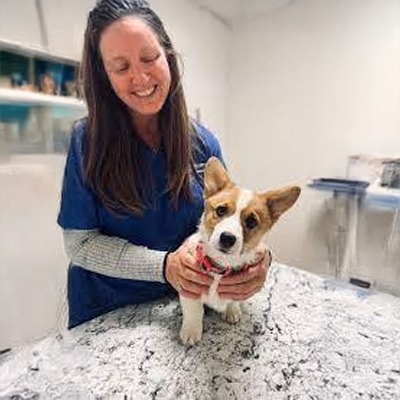

Are pet vaccinations necessary? For most dogs and cats, yes. Rabies vaccinations are required by law for dogs in most of the US and for cats in many areas. A small number of core vaccines are recommended for nearly every pet, and the rest depend on your pet’s lifestyle and risk. Your veterinarian tailors the plan to your pet.
It’s a reasonable question to ask. Many owners have heard about over-vaccination or side effects, have an indoor cat or an older pet, and wonder whether every reminder really matters. This guide explains why vets recommend vaccines, which ones are required and which depend on your pet, and gives straight answers to the concerns owners raise most often.
Why Vets Recommend Vaccines
Vaccines work by introducing your pet’s immune system to a particular germ in a safe form, so it can recognize the germ and protect against the illness it causes. If your pet is later exposed to the real infection, their immune system can respond faster, preventing illness or making it milder. No vaccine gives total protection, but a vaccinated pet is far better prepared.
The diseases covered by routine pet vaccinations, such as parvovirus and distemper in dogs and panleukopenia in cats, can cause serious illness and are often difficult to treat, particularly in young animals. Vaccination protects your pet before they are exposed.
Vaccinating your pet also helps protect other animals and, in the case of rabies, people. That matters even if your own pet has limited contact with other dogs or cats, because some infections can be picked up in everyday situations.
Vaccination is one part of good preventive care, alongside regular veterinary visits, parasite prevention, dental care, nutrition and keeping an eye on changes in your pet’s health.
Which Vaccines Are Required and Which Depend on Your Pet
When owners ask whether vaccines are “required,” they can mean two different things.
Required by law. In most of the US, rabies vaccination is required by law for dogs, and in many states and local areas for cats as well. The rules, and how often the vaccine must be repeated, vary by state and locality. Your veterinarian will know what applies where you live and will give you a certificate to keep. Learn more about preventing rabies.
Recommended by your vet. Most other vaccines aren’t required by law. Veterinarians recommend them because the diseases they prevent are serious, common or both. “Not required by law” does not mean “not needed.”
Within that recommended group, vaccines fall into two categories. Core vaccines are recommended for almost every dog or cat because the diseases are widespread, severe or both. Lifestyle (non-core) vaccines depend on your pet’s individual risk.
| Required or recommended for most pets | Depends on lifestyle | |
|---|---|---|
| Dogs | Rabies (required by law in most of the US); core vaccines against distemper, parvovirus and adenovirus, often given together as DHPP; leptospirosis | Bordetella (kennel cough), Lyme disease vaccine and others, depending on exposure risk |
| Cats | Rabies (required in many areas); core vaccines against panleukopenia, feline herpesvirus and calicivirus; feline leukemia (FeLV) for cats younger than one year | FeLV for adult cats at risk of exposure; other vaccines based on individual risk |
Do Dogs Really Need Vaccines?
Yes. The rabies vaccine is required by law in most of the US, and the core vaccines protect against diseases that remain a real risk. Puppies are particularly important to vaccinate because they are still developing their immune systems. They receive an initial series followed by boosters, and your veterinarian sets the schedule from there. For the full picture, see which vaccines dogs need each year.
Do Cats Need Vaccines?
Yes. Cats benefit from vaccination against several serious infectious diseases, and rabies vaccination is required by law in many areas. Kittens receive an initial series, with boosters afterward as your veterinarian recommends. The right plan depends on your cat’s age, health, lifestyle and likely exposure to disease, including whether they ever go outside. Read more about which vaccines cats need.
Common Pet Vaccine Myths and Concerns
Most hesitation about pet vaccines comes from a reasonable place. Here are the concerns owners raise most often, and what the evidence says.
“My Pet Is Vaccinated Too Often”
It’s a fair concern, and modern vaccination plans are designed to avoid exactly that. Guidance has moved toward vaccinating based on each pet’s individual risk rather than giving every pet every vaccine every year. Some vaccines are given every three years rather than annually once the first-year booster is complete, while others are repeated more often because protection is shorter-lived. That’s why the yearly visit is a review of your pet’s plan, not an automatic set of shots: your veterinarian weighs age, health, lifestyle and vaccination history first. See which vaccines dogs need each year for the details.
“Vaccines Have Side Effects”
They can, but most are mild and short-lived. After a vaccination, your dog or cat may be a little quieter than usual, eat less for a short time or be sore around the injection site. These effects usually pass within a day or two.
Serious reactions are uncommon. Contact your veterinary clinic immediately if you notice facial swelling, hives or repeated vomiting. If the clinic is closed or cannot see your pet promptly, contact an emergency veterinary hospital. If your pet has trouble breathing or collapses, seek emergency veterinary care immediately, regardless of clinic hours.
If your pet has reacted to a vaccine before, or has a health condition, tell your veterinary team before their next appointment so the plan can be adjusted.
“My Cat Never Goes Outside”
Indoor cats still need vaccines, usually the core vaccines at least. Staying indoors lowers exposure but doesn’t remove it: cats can slip out, bats and other animals can get into homes, and people can carry germs in on shoes and clothing. Boarding and new pets joining the household add to the risk. Your veterinarian can tailor the plan to your cat’s actual circumstances. For a fuller answer, see: do indoor cats need vaccines?
“My Pet Is Too Old for Vaccines”
There’s no age at which vaccines stop being useful. Older pets still need protection, and immunity can weaken with age. What may change is the plan: your veterinarian may adjust which vaccines your senior pet receives, or how often, based on their health and lifestyle. If you’ve adopted an older pet without records, your vet can determine what protection is appropriate.
“It’s Better to Build Natural Immunity”
Immunity does develop after an infection, but only in pets who survive it. Diseases such as parvovirus, distemper and panleukopenia can be severe or fatal, especially in young animals, and treatment is often intensive. A vaccine teaches the immune system the same lesson without the risk of the illness itself.
What Happens If You Don’t Vaccinate Your Pet?
An unvaccinated pet has less protection against diseases that are otherwise preventable. Some can be severe or fatal, and treating them is far harder on your pet than preventing them.
For rabies specifically, skipping vaccination can create legal issues, because the vaccine is required by law for dogs in most of the US and for cats in many areas.
There are practical limits too. Many boarding facilities, groomers, daycares and training classes ask for proof of vaccination before accepting a pet, and travel often requires it.
How to Make the Right Choice for Your Pet
The best place to settle the question is your pet’s annual visit. Bring your questions and any doubts, so your veterinarian can explain what each vaccine protects against and why they’re recommending it.
Share your pet’s lifestyle: whether they board, travel, visit daycare or a groomer, spend time outdoors or live with other animals. These details shape which lifestyle vaccines make sense. Bring any records from a previous vet, breeder or shelter, and if your pet has missed a booster, say so; the team will advise on the next step.
Then ask for a tailored plan, one that is specific to your pet and reviewed every year.
Talk to a Vet About Vaccines at Hometown Veterinary Partners
You don’t have to figure out your pet’s vaccine plan alone. Vaccinations are available at Hometown Veterinary Partners, and our veterinary teams are happy to talk through your questions, review your pet’s history and build a plan that fits their age, health and lifestyle.
We offer same-day and weekend appointments, making it easier to fit preventive care into a busy schedule. Book an appointment to talk through your pet’s vaccine plan, or find your nearest Hometown hospital.
Frequently Asked Questions
Is the Rabies Vaccine Required by Law?
For dogs, yes, in most of the US. For cats, it’s required in many states and local areas. The rules, and how often the vaccine must be repeated, vary by state and locality, so there’s no single national schedule. Your veterinarian will know what applies where you live and will give you a rabies certificate to keep with your pet’s records.
What Happens If I Don’t Vaccinate My Pet?
An unvaccinated pet is at higher risk of serious, sometimes fatal, disease that vaccination could have prevented. Skipping the rabies vaccine can also create legal issues, and many boarding facilities, groomers and daycares ask for proof of vaccination before accepting a pet. If you’re unsure whether your pet’s vaccinations are up to date, speak to your veterinarian.
Do Indoor Cats Need Vaccines?
Yes, usually at least the core vaccines. Staying indoors reduces exposure to some infections but doesn’t remove it completely: cats can escape, other animals can get in, and germs can arrive on people’s shoes and clothing. Your veterinarian can consider your cat’s individual circumstances when deciding which vaccinations are appropriate.
Do Older Pets Still Need Vaccines?
Yes. Vaccines don’t stop being useful at a certain age, and immunity can weaken as pets get older. Your veterinarian may adjust which vaccines your senior dog or cat receives, or how often, based on their health, lifestyle and vaccination history. If you’ve adopted an older pet without records, your vet can determine what protection is appropriate.
How Do I Know Which Vaccines My Pet Needs?
Your veterinarian decides based on your pet’s age, health, lifestyle and the disease risks in your area, then reviews the plan at each annual visit. Rabies and the core vaccines are recommended for almost every pet, while lifestyle vaccines depend on activities such as boarding, grooming, travel or time outdoors. For more detail, see which vaccines dogs need each year and which vaccines cats need.