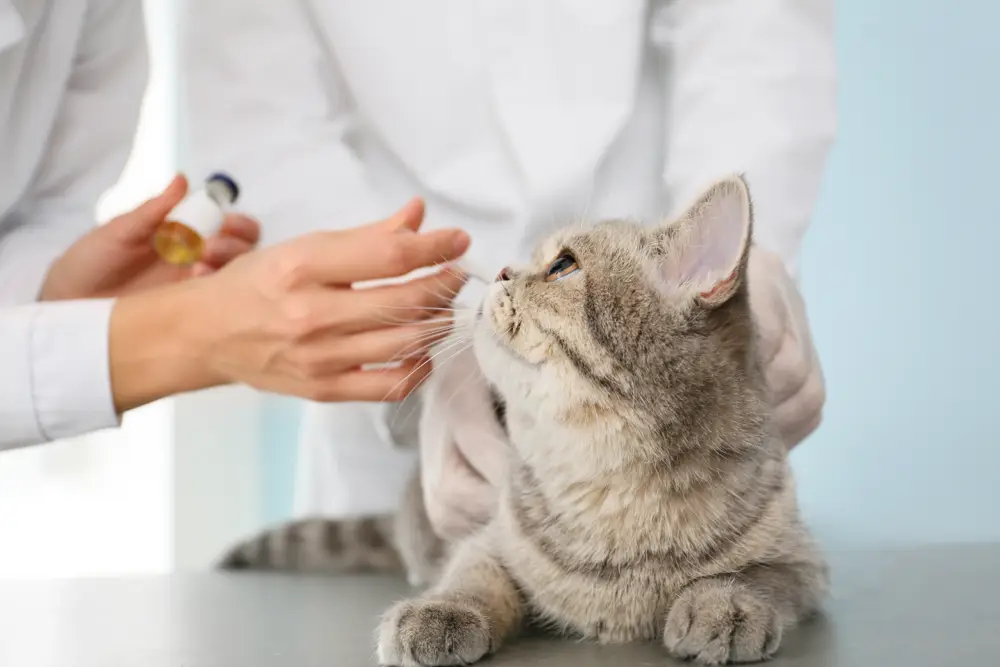
After a kitten’s first rabies vaccine and a booster about a year later, cats generally need a rabies booster every one or three years. The exact timing depends on the vaccine used and local law, so your veterinarian can confirm which schedule applies to your cat.
If you have a new kitten, a rabies reminder on your calendar or a vaccine certificate that’s recently expired, the timing can feel a little confusing. Here’s what to know about your cat’s rabies vaccine schedule, including when the first booster is due and what to do if a vaccine is overdue.
Your cat’s rabies vaccine timeline
Your cat’s rabies vaccine schedule usually follows a simple pattern:
| Stage | When | What to know |
|---|---|---|
| First rabies vaccine | During kittenhood, at the age recommended by your veterinarian | The timing depends on the vaccine’s labeling and your veterinarian’s recommendation. |
| First booster | About one year after the first vaccine | This booster is usually given about a year after the initial dose. |
| Ongoing boosters | Every one or three years | The interval depends on the vaccine used and applicable state or local requirements. |
For kittens, Hometown veterinarians generally recommend the first rabies vaccine at around 12 to 16 weeks of age, depending on the vaccine used. Your veterinarian will confirm the right timing for your kitten.
The first booster is usually due about a year after the initial rabies vaccine. After that, your cat may need a booster every one or three years.
The important thing is that a three-year vaccine does not mean a kitten gets one dose and then waits three years for the next one. The first-year booster is still an important part of the vaccination schedule.
If you’re also wondering about your cat’s other vaccinations, see our guide to what vaccines cats need.
1-year vs 3-year rabies vaccines: what’s the difference?
Both one-year and three-year rabies vaccines are available for cats. The main difference is how long the particular vaccine is licensed to provide protection.
The vaccine your veterinarian recommends depends on factors such as the product being used and the requirements that apply where you live.
Your cat’s schedule may also be different from another cat’s. For example, two cats of the same age could have different booster dates because they received different vaccine products or live in areas with different requirements.
If you’re unsure which rabies vaccine your cat received, check their vaccination certificate or ask your veterinarian. You can also learn more about what a cat rabies vaccine costs, although the amount you’ll pay can vary between veterinary practices.
Rabies vaccine laws for cats
Rabies vaccination requirements vary by state and local law. In many areas, cats are required to have a current rabies vaccination, and local rules may determine how often the vaccine needs to be given.
That’s one reason it’s important to keep your cat’s rabies certificate up to date. It records when your cat was vaccinated and can help you show that their vaccination is current when needed.
You may need vaccination records when boarding your cat, traveling, moving, registering or licensing a pet, or dealing with certain animal-control requirements. Some areas may also issue a rabies tag.
Your veterinarian can help you understand the requirements that apply where you live.
If you’re looking for more information about rabies itself and how to help protect your cat, read our guide to preventing rabies in dogs and cats.
What if your cat’s rabies vaccine is overdue?
If your cat’s rabies vaccine is overdue, don’t panic. The best thing to do is schedule an appointment with your veterinarian as soon as you can.
What happens next can depend on how long the vaccine has been overdue, your cat’s previous vaccination history and local requirements. In some situations, your veterinarian may recommend a one-year booster before your cat returns to a longer vaccination interval.
If you’ve adopted an adult cat and don’t have their vaccination records, let your veterinarian know. They can review what is known about your cat’s history and recommend the next step.
If your cat has recently been bitten by or come into contact with a wild animal, including a bat, contact your veterinarian right away. Your veterinarian can advise you on what to do next based on the circumstances and applicable public health requirements.
Do indoor cats need rabies boosters?
Yes. Indoor cats still need rabies vaccination. Cats can escape through an open door or window, and bats can occasionally get inside homes. Rabies vaccination may also be required by local law regardless of whether a cat spends time outdoors.
If you’re wondering about other vaccinations, read our guide to vaccines for indoor cats.
Rabies vaccine side effects in cats
Most cats have no reaction, or only a mild, short-lived one. They may be a little tired or have some soreness around the injection site for a short time.
More serious reactions are uncommon, but seek emergency veterinary care immediately if your cat develops significant swelling, trouble breathing, repeated vomiting, weakness, collapse or another reaction that concerns you after vaccination.
If you’re worried about a lump or swelling at the injection site, our guide to what vaccines cats need explains more about what to watch for.
For signs that may need prompt veterinary attention, see our guide to
when to take your pet to urgent care.
Keep your cat’s rabies vaccine current with Hometown Veterinary Partners
Keeping track of rabies boosters is easier when your cat’s vaccination history is up to date. If your cat’s next rabies vaccine is due or overdue, your Hometown Veterinary Partners veterinarian can review their records, confirm which vaccine and interval apply and help you get back on schedule.
Hometown offers same-day and weekend appointment availability, making it easier to find a time that works for you and your cat.
Frequently asked questions
Is the cat rabies vaccine every year or every three years?
It can be either. After the first rabies vaccine and the first booster about a year later, cats may receive rabies boosters every one or three years, depending on the vaccine used and applicable local requirements. Your veterinarian can confirm which interval applies to your cat.
When do kittens get their first rabies shot?
Cats often receive their first rabies vaccine during kittenhood, at the age recommended for the particular vaccine. Hometown veterinarians generally recommend this at around 12 to 16 weeks of age, depending on the vaccine used. A booster is usually given about a year later.
What happens if my cat’s rabies vaccine is overdue?
Book an appointment with your veterinarian as soon as possible. The next step depends on how overdue the vaccine is, your cat’s previous vaccination history and local requirements. Your veterinarian may recommend a one-year booster before returning to a longer vaccination interval.
Is the rabies vaccine required for cats?
Rabies vaccination is required for cats in many states and local areas, but the rules vary. Requirements can include how often the vaccine must be given and what counts as a current vaccination. Your veterinarian can help you understand the requirements that apply to your cat.
Is the 3-year rabies vaccine safe for cats?
Both one-year and three-year rabies vaccines are licensed for use in cats. As with any vaccine, side effects can occur, but most reactions are mild and short-lived. Your veterinarian can recommend the appropriate vaccine for your cat and explain what to expect after vaccination.