By Dr. Stephanie Ortiz, DVM — Hometown Veterinary Partners – Naperville
When most pet owners think about preventive care, they picture vaccines, wellness exams, nutrition, and parasite prevention. But one of the most important parts of a pet’s overall health is often overlooked: dental care. Veterinary dentistry helps prevent pain, infection, tooth loss, and health problems that can affect much more than your pet’s mouth. At our Naperville veterinary hospital, we see the effects of untreated dental disease every week, and most of it is preventable.
Dental Disease Is Common—and Often Hidden
Pets are very good at hiding discomfort, which means dental disease can progress quietly. Bad breath, tartar buildup, red gums, or changes in chewing may be the first visible clues, but significant disease can exist below the gumline where owners cannot see it. Without treatment, plaque and bacteria can lead to gingivitis, periodontal disease, loose teeth, abscesses, and chronic oral pain.
Why Does Veterinary Dentistry Matter
- It helps relieve pain. Dental disease can cause sore gums, fractured teeth, infections, and painful chewing. Professional dental care helps identify and treat these problems before they worsen. Pets are incredibly efficient at hiding pain.
- It supports overall health. Oral bacteria and inflammation can contribute to broader health concerns, especially when infection spreads beyond the mouth.
- It improves quality of life. Pets with healthy mouths often eat more comfortably, interact more normally, and may seem brighter and more energetic after dental problems are addressed.
- It helps prevent tooth loss. Routine exams, cleanings, and early treatment can protect the structures that support your pet’s teeth.
- It gives veterinarians a complete picture. Dental X-rays and oral exams allow our veterinary team to evaluate problems that are not visible during a basic mouth check.
Do All Pets Need Dental Care?
Similarly to how humans go for preventive checkups once a year to catch issues early, pets should have a full COHAT (comprehensive oral health assessment and treatment) done every year, though some pets need dental care more urgently than others. Small and toy breeds, brachycephalic breeds (like Bulldogs and Pugs), and senior pets face a higher risk of periodontal disease due to crowded teeth, facial anatomy, or age-related changes, and may benefit from more frequent evaluations. Your veterinarian can recommend a schedule based on your pet’s individual risk factors and dental history.
You may have also seen “anesthesia-free” dental cleanings advertised. While these can remove visible tartar from the crown of the tooth, they can’t evaluate or treat the disease that’s often hiding under the gums, where the real damage tends to occur. A COHAT performed under anesthesia is the only way to fully assess and treat your pet’s oral health safely.
What Are the Signs Your Pet May Need a Dental Exam?
Because pets can’t tell you when something hurts, and dental disease often develops silently below the gumline, it’s up to you to watch for the physical and behavioral clues. Some signs are obvious, like visible tartar or bad breath. Others are easy to miss unless you know what to look for; a slight change in how your pet chews, or a day or two of eating less than usual. If you notice any of the following, it’s worth scheduling an exam rather than waiting to see if it resolves on its own.
Schedule a veterinary visit if you notice:
- Bad breath
- Yellow or brown tartar
- Swollen or bleeding gums
- Broken or loose teeth
- Drooling
- Pawing at the mouth
- Dropping food
- Chewing on one side
- Decreased appetite
- Facial swelling
- Any sudden behavior change
Even subtle changes can signal discomfort. Catching these signs early can mean the difference between a routine cleaning and a more complex, painful procedure down the road.
Before and After: The Difference Dentistry Can Make
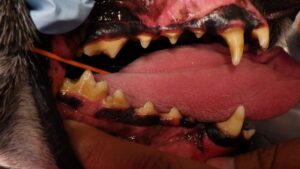
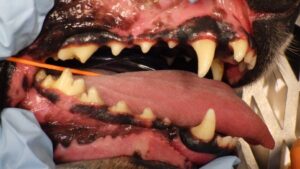
Professional dental care can make a visible difference by removing plaque and tartar both on the crown and below the gumline.
What Happens During Professional Veterinary Dental Care?
A professional dental visit includes a full oral exam, dental charting, dental X-rays, cleaning above and below the gumline, polishing, pain management, and treatment for diseased or damaged teeth when needed.
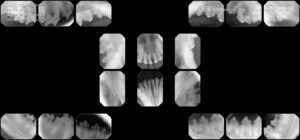
Dental X-rays can find hidden disease. A full mouth series is created so any changes can be tracked over time.
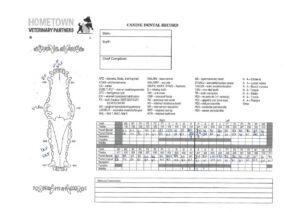
Dental charting helps track which teeth are healthy, which are diseased, and which may become a problem in the future.
How Home Care Helps Maintain a Healthy Mouth
At-home dental care is an important partner to professional veterinary dentistry, it won’t replace a COHAT, but it can slow how quickly plaque and tartar build back up between visits. Daily brushing with a pet-safe toothpaste is the gold standard, though even a few times a week makes a meaningful difference if daily brushing isn’t realistic for your pet. When choosing dental chews, treats, or diets, look for the VOHC (Veterinary Oral Health Council) seal, which means the product has been tested and shown to actually reduce plaque or tartar, rather than just being marketed as a dental product. Water additives and dental wipes can also help for pets who won’t tolerate brushing or chews. Our veterinary team can recommend the safest and most effective combination for your pet’s age, breed, health status, and temperament.
The Bottom Line
Veterinary dentistry is not just about fresh breath—it is about comfort, prevention, and whole-body wellness. Regular dental exams and professional cleanings can help pets avoid pain, protect their teeth, and enjoy a healthier life.
If your pet hasn’t had a dental evaluation recently, schedule a dental exam at our Naperville location today.