If your dog goes to daycare, boarding, training classes or spends a lot of time around other dogs, you may have been asked if they have had the Bordetella vaccine. But what does it protect against, and does every dog need it?
The Bordetella vaccine helps protect dogs against Bordetella bronchiseptica, a bacterium that can contribute to kennel cough and other respiratory infections. It is often recommended for dogs that regularly mix with other dogs.
Here’s what to know about the Bordetella vaccine and whether it may be right for your dog.
What is Bordetella?
Bordetella bronchiseptica is a bacterium that can affect a dog’s respiratory system. It is one of several infectious agents associated with canine infectious respiratory disease, commonly called kennel cough.
Dogs can spread respiratory infections to one another through close contact and respiratory droplets. Shared spaces, food and water bowls and other objects can also contribute to transmission.
Bordetella can cause symptoms such as:
- A persistent or harsh cough
- Sneezing
- Nasal discharge
- Watery eyes
- Reduced appetite
- Tiredness
Most cases are mild, but some dogs can develop more serious respiratory illness, particularly puppies, older dogs or dogs with other health problems.
What does the Bordetella vaccine protect against?
The Bordetella vaccine helps reduce the risk of illness caused by Bordetella bronchiseptica.
It doesn’t protect against every possible cause of kennel cough. Canine infectious respiratory disease can involve several different viruses and bacteria, so a vaccinated dog can still develop a cough.
However, vaccination can help reduce the likelihood and severity of Bordetella-related illness.
Does my dog need the Bordetella vaccine?
Your veterinarian may recommend the Bordetella vaccine if your dog regularly spends time around other dogs, particularly in places such as:
- Boarding facilities
- Dog daycare
- Dog parks
- Training classes
- Grooming facilities
- Dog shows or other group activities
Dogs that rarely mix with other dogs may have a lower risk of exposure.
Some boarding and daycare facilities also require dogs to be vaccinated against Bordetella before they can attend.
Your veterinarian can help you decide whether your dog is likely to benefit from the vaccine based on their lifestyle and individual health needs.
Why is Bordetella sometimes called the kennel cough vaccine?
You may hear people refer to Bordetella as the kennel cough vaccine because Bordetella bronchiseptica is one of the common causes of kennel cough.
The terms aren’t quite interchangeable, though. Kennel cough describes a group of respiratory infections rather than one specific disease, and several infectious organisms can cause it.
That’s why a vaccinated dog can still develop a cough after being around other dogs.
How do dogs catch Bordetella?
Bordetella can spread between dogs through respiratory droplets, particularly when dogs are in close contact.
Places where lots of dogs share space can make transmission more likely. This includes boarding facilities, daycare, training classes and other group settings.
A dog doesn’t necessarily have to be in a kennel to be exposed. Any situation where dogs are in close contact can create an opportunity for respiratory infections to spread.
What are the signs of a Bordetella infection?
The most recognizable sign is often a persistent, forceful cough. It can sometimes sound as though something is stuck in your dog’s throat.
Other possible signs include:
- Sneezing
- Runny nose
- Watery eyes
- Mild tiredness
- Reduced appetite
Some dogs have mild symptoms and recover without complications. Others, particularly vulnerable dogs, may develop more significant respiratory illness.
If your dog develops a persistent cough or seems unwell, contact your veterinarian for advice. Bordetella is highly contagious, so if you suspect your dog has it or is showing concerning symptoms, keep them away from other dogs.
Is the Bordetella vaccine safe?
Vaccines are routinely used to help protect dogs from infectious diseases, and most dogs tolerate them well.
Some dogs may experience mild effects after vaccination, such as tiredness, soreness or a temporary decrease in appetite. Your veterinary team can explain what to expect and what signs would warrant a call to the clinic.
If your dog has had a reaction to a vaccine in the past, tell your veterinarian before their next vaccination.
How is the Bordetella vaccine given?
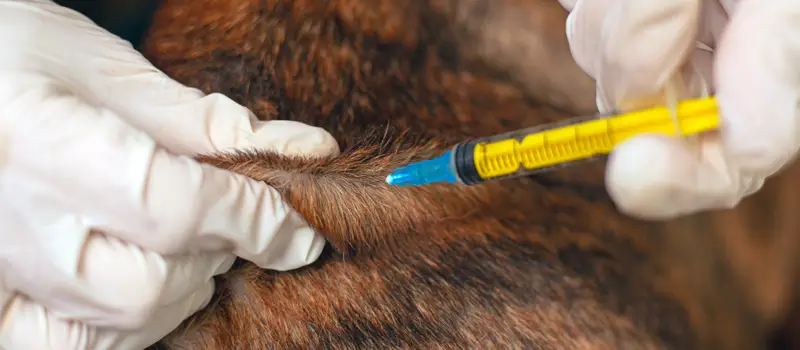
Bordetella vaccines are available in different forms, depending on the product and what is appropriate for the dog. Some are given by injection, while others may be administered into the nose or mouth.
Your veterinarian can recommend the appropriate option for your dog and explain how it is given.
How often does my dog need the Bordetella vaccine?
The timing depends on the specific vaccine, your dog’s risk of exposure and the requirements of places such as boarding or daycare facilities.
Your veterinarian can recommend a vaccination plan based on your dog’s individual needs.
If you’re looking for information about vaccination frequency more generally, see our guide to what vaccines dogs need yearly.
Protecting your dog around other dogs
The Bordetella vaccine can be an important part of preventive care for dogs that regularly spend time around other dogs. Whether your dog needs it depends on their lifestyle, health and risk of exposure.
If you’re unsure whether the Bordetella vaccine is right for your dog, talk to your veterinarian. They can review your dog’s vaccination history and daily routine and recommend the protection that makes sense for them.
At Hometown Veterinary Partners, our veterinary teams provide preventive care for dogs and cats and can help you understand your pet’s vaccination needs.
Find your local Hometown Veterinary Partners clinic.
Frequently asked questions
Is Bordetella the same as kennel cough?
Not exactly. Bordetella bronchiseptica is one of the infectious organisms that can cause kennel cough. Kennel cough is a broader term for canine infectious respiratory disease, which can have several causes.
Does my dog need Bordetella if they don’t go to boarding or daycare?
Not necessarily. Dogs that have little contact with other dogs may have a lower risk of exposure. Your veterinarian can consider your dog’s lifestyle and recommend whether the vaccine is appropriate.
Can a vaccinated dog still get kennel cough?
Yes. The Bordetella vaccine does not protect against every cause of kennel cough. However, it can help reduce the risk of illness associated with Bordetella bronchiseptica.
Is Bordetella required for dog daycare?
Some daycare, boarding and grooming facilities require dogs to have Bordetella vaccination before attending. Check with the facility about its vaccination requirements.
Can puppies get the Bordetella vaccine?
Your veterinarian can advise when vaccination is appropriate for your puppy based on their age, health and lifestyle.
What should I do if my dog has a cough?
A cough can have many causes. If your dog develops a persistent cough, particularly alongside tiredness, reduced appetite, breathing difficulties or other signs of illness, contact your veterinarian. Isolate them from other dogs until they have the all-clear from their veterinarian.