Dental health is one of the most overlooked aspects of feline care. Many cat owners are surprised to learn that most cats show signs of dental disease by the age of three. Regular brushing at home and professional cleanings at the veterinary clinic are essential to keeping your cat’s mouth healthy.
So, how often do cats need dental cleaning and brushing? The answer depends on your cat’s individual health, but there are general guidelines every cat owner should know.
How Often Should You Brush Your Cat’s Teeth?
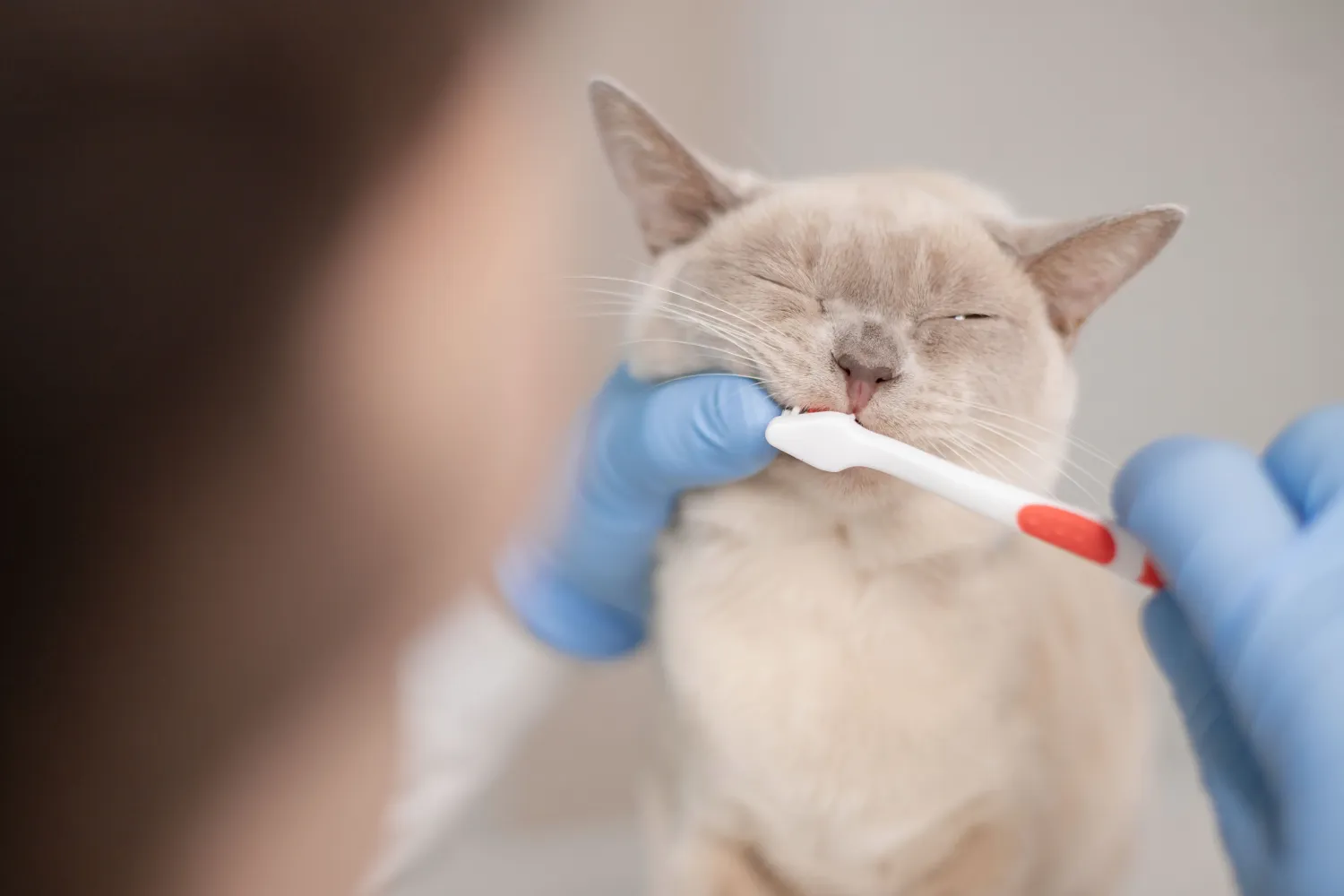
Ideally, you should brush your cat’s teeth daily.
Daily brushing helps remove plaque before it hardens into tartar. If daily brushing is not possible, try for at least three to four times per week. Less frequent brushing is still beneficial, but consistency makes the biggest difference.
Use a toothbrush and toothpaste specifically designed for cats. Human toothpaste should never be used, as it can be harmful if swallowed. Some of our local clinics have everything you need to clean your cat’s teeth available for purchase.
Starting dental care early in kittenhood makes brushing easier, but adult cats can learn to tolerate brushing with patience and gradual training.
How Often Do Cats Need Professional Dental Cleanings?
Most cats benefit from a professional dental cleaning once a year.
However, some cats may need cleanings more frequently, especially if they are prone to dental disease, have underlying health conditions, or show signs of tartar buildup and gum inflammation.
Professional cleanings require anesthesia to ensure a safe and complete procedure. During a professional dental cleaning, your veterinarian will:
- Perform a thorough oral examination
- Remove plaque and tartar above and below the gumline
- Polish the teeth
- Take dental X-rays when necessary
- Identify and treat damaged or infected teeth
Signs Your Cat May Need a Dental Cleaning Sooner
Even with regular brushing, some cats develop dental disease more quickly than others.
Watch for signs such as:
- Bad breath
- Red or swollen gums
- Yellow or brown tartar buildup
- Drooling
- Difficulty eating
- Pawing at the mouth
- Behavioral changes or irritability
If you notice any of these symptoms, schedule an appointment with your veterinarian.
Why Dental Care Is So Important for Cats
Dental disease does not just affect the mouth. Untreated infections can lead to pain, tooth loss, and bacteria entering the bloodstream, potentially affecting the heart, liver, and kidneys. Preventive care is far less invasive and less costly than treating advanced dental disease.
Routine dental care helps:
- Prevent painful gum disease
- Reduce the risk of tooth loss
- Improve overall health
- Support a better quality of life
Supporting Your Cat’s Dental Health
In addition to brushing and professional cleanings, your veterinarian may recommend:
- Dental diets designed to reduce plaque buildup
- Veterinary-approved dental treats
- Water additives that support oral hygiene
- Regular oral health checks during wellness visits
Tips for Brushing Your Cat’s Teeth at Home
Brushing your cat’s teeth may sound challenging, but with patience and consistency, many cats learn to tolerate it well. The key is to go slowly and make the experience as positive as possible.
Here are some practical tips to help you get started:
- Start gradually by letting your cat taste feline toothpaste from your finger
- Gently rub your finger along the gums before introducing a toothbrush
- Use a soft-bristle cat toothbrush or finger brush
- Brush in small circular motions along the gumline
- Focus on the outer surfaces of the teeth, where plaque builds up most
- Keep sessions short and calm, especially in the beginning
- Offer praise or a favorite reward after brushing
Never use human toothpaste, as it contains ingredients that can be harmful to cats. Always choose toothpaste formulated specifically for pets.
If your cat resists brushing, speak with your veterinarian about alternative dental support options. Even partial brushing is better than none, and your veterinary team can help you create a realistic home care plan.
When to Schedule a Dental Exam
Most cats should have their teeth evaluated during their annual wellness exam. Your veterinarian can assess your cat’s oral health and recommend a personalized cleaning schedule.
At Hometown Veterinary Partners, we provide comprehensive feline dental care, including professional cleanings, digital dental X-rays, and preventive guidance tailored to your cat’s needs.
If you have questions about your cat’s dental health or would like to schedule a dental evaluation, contact your local Hometown Veterinary Partners clinic today. Regular dental care helps your cat stay comfortable and healthy for years to come.