Pet parents often ask the same question after scheduling their pet’s surgery: how long does neuter recovery take? Neuter surgery is one of the most common veterinary procedures performed for both cats and dogs. While it is generally routine, it still requires a recovery period to allow proper healing.
For most pets, the recovery period lasts about 10 to 14 days. During this time, the incision site must heal properly and physical activity should be limited. Although most pets begin to feel better within only a few days, full healing of the surgery site still takes time.
Understanding the healing process and following post-operative care instructions can help your pet recover comfortably and safely.
What happens during neuter surgery
Neutering involves removing the reproductive organs responsible for reproduction. In male dogs and male cats, the procedure removes the testicles. This prevents unwanted litters and can reduce certain undesirable behaviors related to hormones.
Although neuter procedures are considered routine, they are still surgical procedures performed under anesthesia. Your veterinary team monitors your pet closely during the procedure to reduce risk.
Typical neuter recovery timeline
Most pets return home the same day after neuter surgery. Your pet may appear sleepy as the anesthesia wears off. It is common for pets to experience mild discomfort during the first day.
First 24 hours
Your pet may appear groggy or tired. Mild discomfort and reduced appetite are normal as anesthesia leaves their system.
First week
During the first week, the incision site begins healing. Most pets start returning to normal activity levels but should still avoid rough play, excessive movement, and interactions with other animals.
Two weeks
By the end of the recovery period, the surgery site should be healed. Most pets can return to normal activity if healing is complete and there are no complications.
Your veterinarian may schedule follow-up appointments to ensure proper healing.
Monitoring the incision site
Check the incision site daily throughout recovery. A small amount of redness or swelling may occur initially but should improve over time.
Watch for signs such as:
- Excessive redness
- Excessive swelling
- Discharge from the surgery site
- Bleeding or opening of the incision
- Persistent licking or chewing
If you notice concerning changes, contact your veterinarian.
Managing activity during recovery
Limiting activity is essential for proper healing. Pets should avoid running, jumping, and rough play.
Some veterinarians recommend keeping pets in a crate or secure room when unsupervised. Limiting contact with other animals can reduce risk of injury.
Short, controlled potty breaks are usually allowed during the first week, followed by a gradual return to normal activity.
Pain management and comfort
Most pets experience mild discomfort after surgery. Veterinarians typically provide pain medication to keep pets comfortable.
Always follow your veterinarian’s instructions and never give human medications.
Providing a calm, quiet environment also supports healing.
Helping your pet recover smoothly
You can support recovery by:
- Keeping your pet indoors
- Providing a quiet resting area
- Monitoring the incision site daily
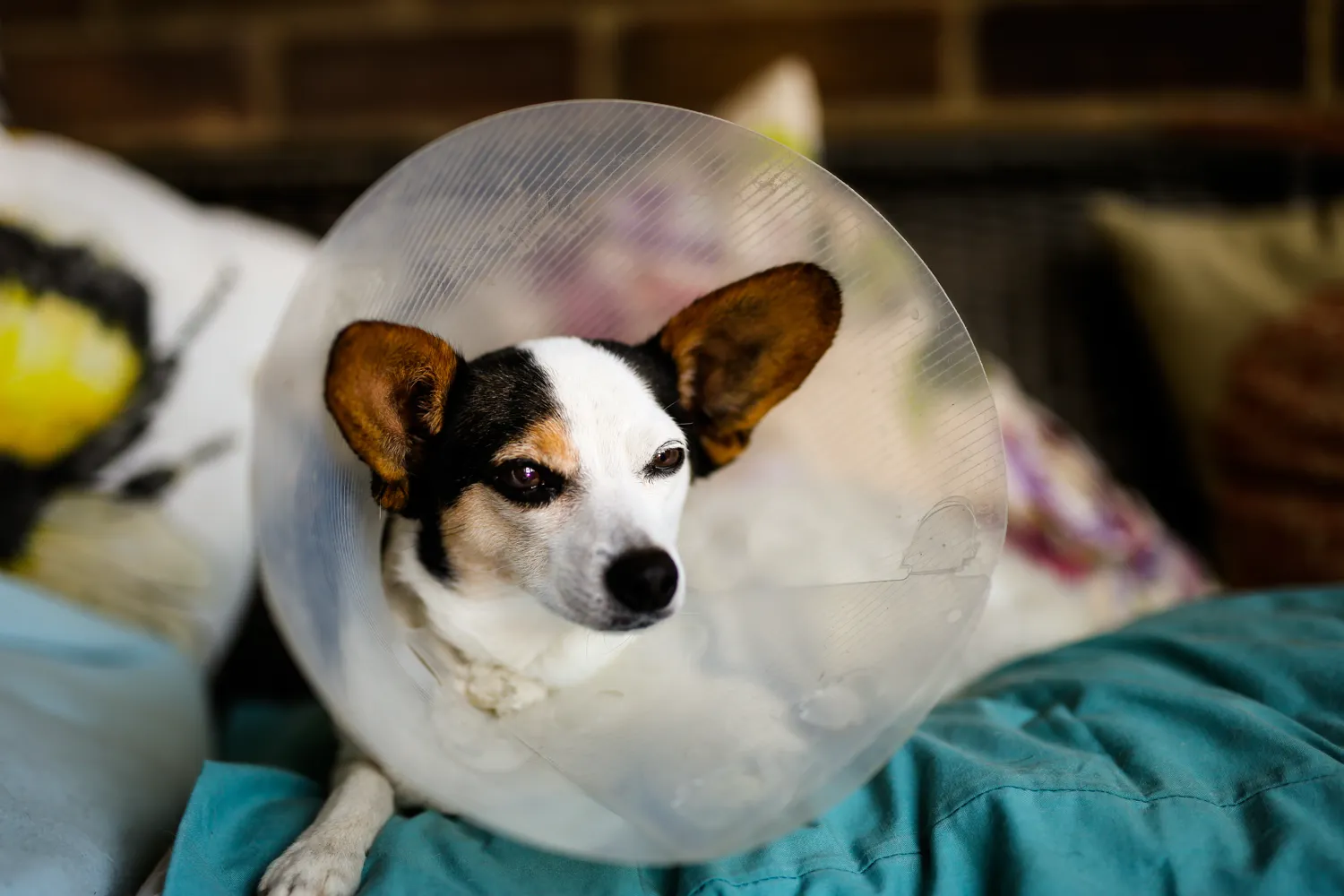
- Preventing licking with a cone or recovery suit
- Following medication instructions
For cats, placing a litter box nearby can reduce movement and stress.
Benefits of neutering your pet
Neutering offers long-term health and behavioral benefits. It helps prevent unwanted litters and may reduce behaviors like roaming, marking, and aggression.
In some cases, neutering can also help prevent certain health conditions later in life.
When to contact your veterinarian
Contact your veterinarian if your pet shows:
- Persistent lethargy
- Vomiting or loss of appetite
- Excessive swelling or redness
- Signs of severe pain
- Discharge or infection
Supporting your pet’s recovery
With proper care, most pets recover quickly after neuter surgery. Following instructions and monitoring healing will help ensure a smooth recovery.
At Hometown Veterinary Partners, our team provides safe procedures and detailed care instructions. Contact your local clinic if you have questions or concerns.
This article does not constitute medical advice. Always consult your veterinarian for guidance specific to your pet.