Vaccinations are an important part of keeping your dog healthy, but not every dog needs exactly the same vaccines. The right plan depends on factors such as your dog’s age, health, lifestyle and where they spend their time.
Some vaccines are recommended for most dogs because they protect against serious diseases. Others may be recommended based on your dog’s individual risk.
Here’s what to know about the vaccines your dog may need and how your veterinarian decides what’s right for them.
Which vaccines do dogs need?
Dogs need vaccines that protect them from diseases they are most likely to encounter or that can cause serious illness.
Vaccines commonly recommended for dogs include:
- Rabies
- Distemper
- Parvovirus
- Adenovirus
- Leptospirosis
- Bordetella bronchiseptica, which is associated with kennel cough
The vaccines your veterinarian recommends will depend on your dog’s individual circumstances. Some are considered core vaccines, while others may be recommended because of your dog’s lifestyle or exposure to other animals.
What are core vaccines for dogs?
Core vaccines protect against diseases that are considered significant risks for dogs. They are generally recommended regardless of a dog’s lifestyle.
For dogs, these commonly include vaccines against:
Rabies: Rabies is a serious viral disease that affects the nervous system and can be fatal. It can also spread from animals to people, making vaccination particularly important.
Distemper: Canine distemper is a highly contagious viral disease that can cause respiratory, gastrointestinal and neurological problems.
Parvovirus: Canine parvovirus is highly contagious and can cause severe vomiting, diarrhea and dehydration. Puppies are particularly vulnerable.
Adenovirus: Canine adenovirus can cause infectious canine hepatitis, affecting the liver and other organs.
Leptospirosis: Leptospirosis is a serious, potentially life-threatening bacterial infection in dogs that can damage vital organs.
Your veterinarian can explain which core vaccines are recommended for your dog and whether there are any additional considerations in your area.
What are lifestyle vaccines?
Lifestyle vaccines are recommended based on your dog’s individual risk of exposure. A dog that spends most of their time at home may have different vaccination needs from one that regularly visits dog parks, boarding facilities or daycare.
Your veterinarian may recommend additional protection if your dog:
- Spends time around lots of other dogs
- Goes to daycare or boarding facilities
- Regularly visits dog parks
- Travels with you
- Spends time outdoors
- Lives in or visits areas where particular diseases are more common
For example, Bordetella vaccination may be recommended for dogs that spend time in boarding facilities, daycare or other settings where they mix closely with other dogs.
Lifestyle vaccines aren’t automatically needed by every dog. Your veterinarian can help you decide whether they make sense for your pet.
What vaccines do puppies need?
Puppies are particularly vulnerable to infectious diseases because their immune systems are still developing. They also receive some early protection from antibodies passed on by their mother, but that protection decreases over time.
Your veterinarian will recommend a vaccination plan based on your puppy’s age, health and previous vaccinations.
Puppies commonly receive vaccines that protect against diseases such as:
- Distemper
- Parvovirus
- Adenovirus
- Rabies, where appropriate and required
- Other diseases based on their individual risk
Your veterinarian can also advise you about when it is safe for your puppy to mix with other dogs and take part in activities such as puppy classes, daycare and walks.
If you want more detail about timing and boosters, see our guide to what vaccines dogs need yearly.
Do adult dogs still need vaccines?
Yes. Protection from vaccines doesn’t simply become irrelevant once a dog reaches adulthood.
Your veterinarian will review your dog’s vaccination history and consider their current health and lifestyle when deciding what protection they need. Their needs can also change over time. For example, a dog that starts going to daycare or traveling with their family may have different risks from a dog whose routine has stayed the same.
Discussing your dog’s individual circumstances with your veterinarian is the best way to know what vaccines they need.
Do indoor dogs need vaccines?
Even dogs that spend most of their time indoors can be exposed to infectious diseases.
Dogs can encounter diseases through contact with other animals, contaminated environments or objects brought into the home. Some dogs also have occasional exposure through walks, visits to the groomer, boarding, travel or trips to the veterinarian.
Your dog’s lifestyle is one factor your veterinarian will consider when recommending vaccines, but staying mostly indoors doesn’t necessarily mean vaccines aren’t needed.
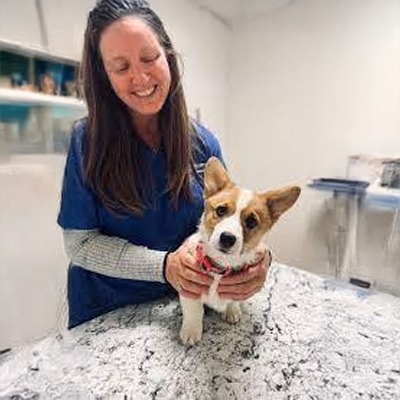
What happens at a dog vaccination appointment?
Your veterinarian will review your dog’s health and vaccination history before recommending any vaccines. They may also ask about your dog’s daily routine and activities.
At the appointment, your veterinary team may:
- Review your dog’s vaccination history.
- Ask about their health and lifestyle.
- Perform a physical examination.
- Discuss the vaccines recommended for your dog.
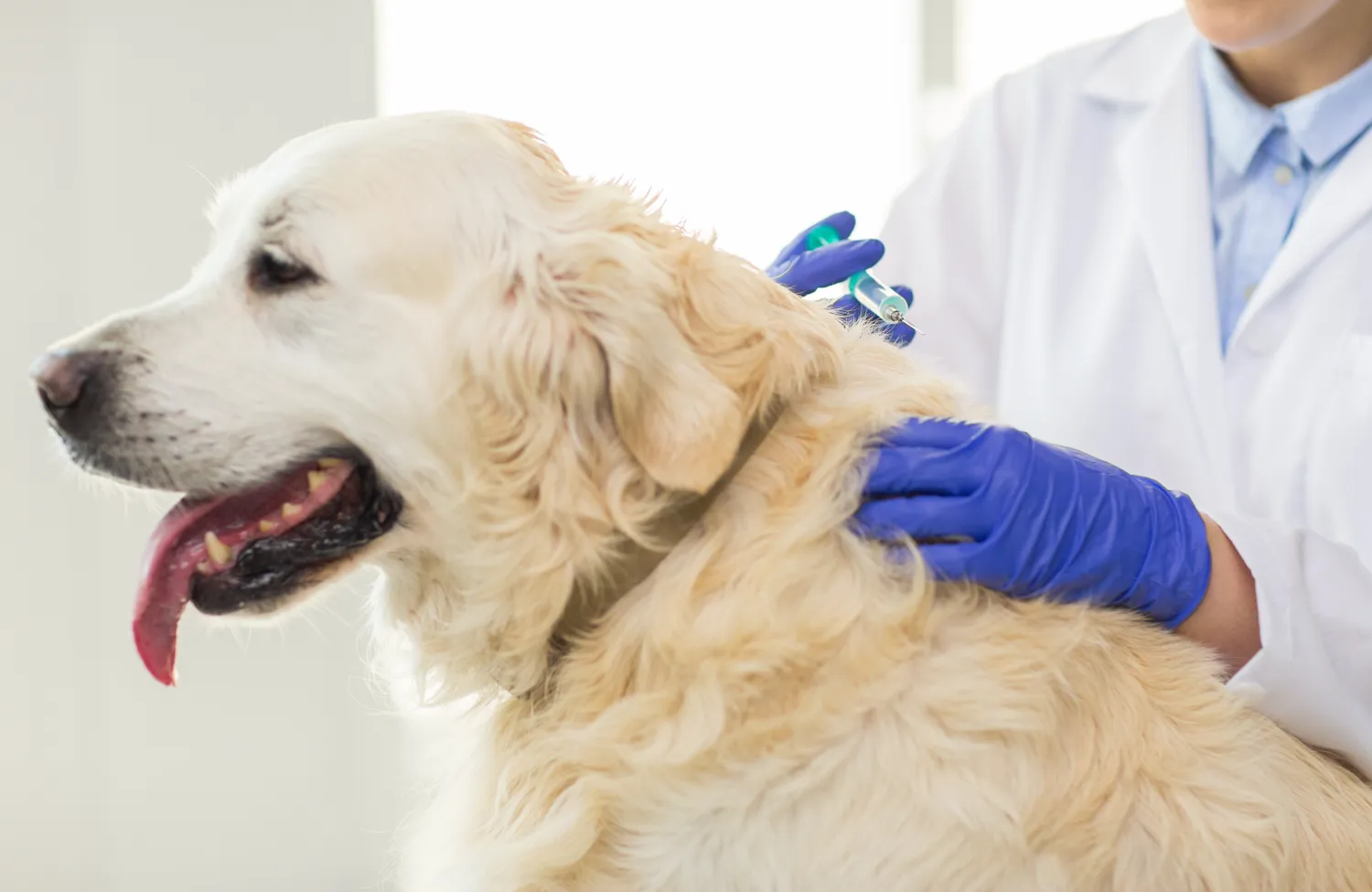
- Administer the appropriate vaccines.
- Explain what to expect after vaccination.
- Let you know when your dog needs to return.
This is also a good opportunity to ask questions. If you’re unsure why your dog needs a particular vaccine or whether their lifestyle changes their risk, your veterinarian can talk you through it.
Are dog vaccines safe?
Vaccines are routinely used to help protect dogs from serious infectious diseases. Most dogs tolerate them well, although some may experience mild, short-lived effects such as tiredness, soreness where the injection was given or a slight decrease in appetite.
More serious reactions are uncommon, but it’s important to contact your veterinarian if your dog develops concerning symptoms after a vaccination.
Your veterinary team can also tell you what to look out for after your dog’s appointment and when to get in touch.
How does my veterinarian decide which vaccines my dog needs?
There isn’t one vaccination plan that is right for every dog.
Your veterinarian will consider factors such as:
- Your dog’s age
- Previous vaccinations
- Overall health
- Lifestyle and daily activities
- Contact with other dogs
- Travel
- Boarding or daycare
- Where you live or regularly visit
- Potential exposure to particular diseases
This helps your veterinarian recommend the vaccines that are appropriate for your dog rather than giving every dog the same set of vaccines.
Keeping your dog’s vaccinations up to date
Vaccinations are a core part of preventive care, helping protect your dog from diseases that can cause serious illness.
The vaccines your dog needs will depend on more than their age. Their health, lifestyle, vaccination history and potential exposure to disease all play a part.
If you’re unsure which vaccines your dog needs, your veterinarian can review their history and help you make a plan that fits their individual needs.
At Hometown Veterinary Partners, our team provides preventive care for dogs and cats and can help you understand which vaccinations are appropriate for your pet.
Find your local Hometown Veterinary Partners clinic.
Frequently asked questions
What are the most important vaccines for dogs?
Core vaccines protect dogs against serious diseases such as rabies, distemper, parvovirus, leptospirosis and adenovirus. Your veterinarian may also recommend other vaccines depending on your dog’s lifestyle and risk of exposure.
Do dogs need vaccines if they don’t go to daycare?
A dog doesn’t need to attend daycare to benefit from vaccination. Dogs can still encounter infectious diseases during walks, visits to public places, contact with other animals or trips away from home. Your veterinarian can recommend vaccines based on your dog’s overall lifestyle.
Does my dog need a rabies vaccine?
Rabies vaccination requirements vary by state, and rabies is a serious disease that can affect both animals and people. Your veterinarian can tell you what is required where you live and when your dog should receive their rabies vaccine.
Do puppies need different vaccines from adult dogs?
Puppies have different vaccination needs because they are still developing immunity and may have less protection against infectious diseases. Your veterinarian will recommend a vaccination plan based on your puppy’s age, health and previous vaccinations.
Can my dog have more than one vaccine at the same appointment?
Dogs can receive multiple vaccines during the same appointment when recommended by their veterinarian. Your veterinarian will consider your dog’s health and individual circumstances when deciding which vaccines are appropriate.