Allergic reactions in dogs can show up quickly and sometimes without warning. One minute your dog seems fine, and the next they are itching, swollen, or clearly uncomfortable.
Some reactions are mild and manageable at home, while others need immediate veterinary care. Knowing the difference is key to helping your dog feel better fast.
What an allergic reaction looks like
Not all reactions are the same. Some are subtle, while others are more obvious.
You might see:
- Sudden itching or scratching
- Swelling around the face, eyes, or muzzle
- Hives or raised bumps on the skin
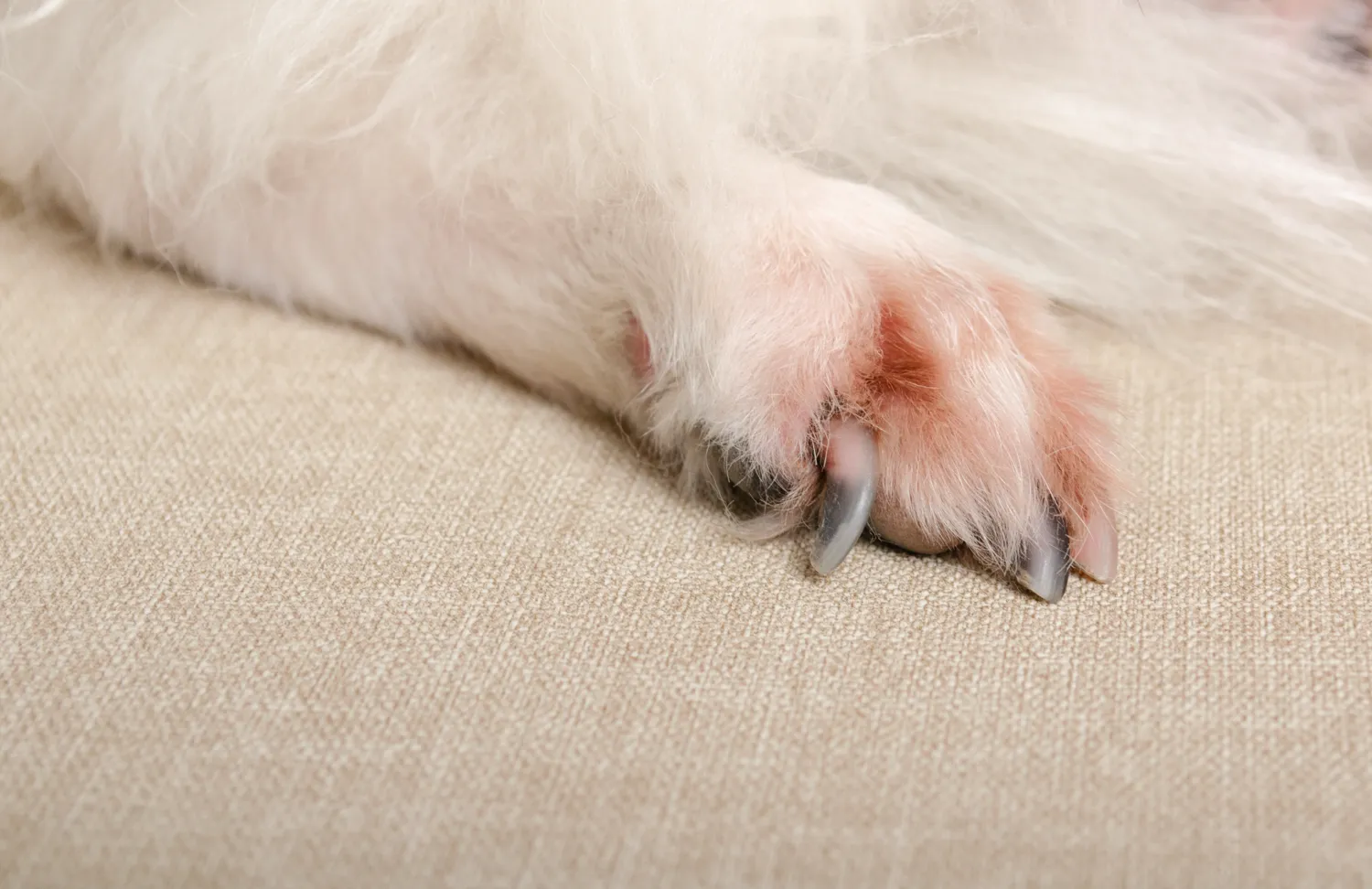
- Red or irritated skin
- Licking or chewing paws
- Vomiting or diarrhea
In more serious cases, symptoms can escalate quickly, which is why early recognition matters.
First steps you can take right away
If your dog is having a mild reaction and still acting normal, you can start with a few simple steps.
Focus on comfort and reducing exposure:
- Remove or avoid the suspected trigger if known
- Rinse your dog’s skin with cool water to remove allergens
- Keep them calm and limit activity
- Prevent excessive scratching or licking
These steps can help reduce irritation while you monitor their condition.
When it is an emergency
Some allergic reactions are more than just uncomfortable. They can become dangerous very quickly.
Act immediately if your dog:
- Has difficulty breathing
- Shows severe swelling of the face or throat
- Becomes weak or collapses
- Has repeated vomiting or diarrhea
- Seems disoriented or unresponsive
These signs may indicate a severe reaction that needs emergency care right away.
Common triggers to be aware of
Allergic reactions can be caused by a variety of things, and sometimes the trigger is not obvious at first.
Some of the most common include:
- Insect bites or stings
- New foods or treats
- Medications
- Environmental allergens like pollen or grass
- Flea bites
If your dog has had reactions before, identifying the trigger can help prevent future episodes. This is different from ongoing allergies, which are among the common causes of hot spots on dogs.
What treatment may involve
Once your vet evaluates your dog, treatment will depend on how severe the reaction is.
This may include medications to reduce inflammation, control itching, or stabilize your dog if the reaction is more serious.
In some cases, your vet may also recommend a plan to manage or prevent future reactions.
Not all allergies look the same
Some dogs have one-time reactions, while others deal with ongoing allergies that show up repeatedly.
If your dog is frequently itching or having skin issues, it may be more than a one-time reaction. You can learn more about ongoing symptoms and patterns in our guide on how to tell if your dog has allergies.
Understanding the difference can help you manage your dog’s health more effectively.
What to watch after a reaction
Even if your dog improves quickly, it is important to keep an eye on them.
Watch for:
- Symptoms returning or worsening
- New areas of irritation
- Changes in behavior or energy
- Signs of infection from scratching
Follow-up care can be just as important as the initial response.
Getting your dog back to normal
Allergic reactions can be stressful, but most dogs recover quickly with the right care. The key is knowing when to monitor and when to act.
If you are unsure, it is always better to check. Our team is here to help you understand what is happening and make sure your dog gets the care they need. With same-day appointments available at all our clinics, and walk-ins offered at select locations, it’s easier to start treatment early and avoid unnecessary discomfort.
Call or schedule a visit today for guidance and treatment.