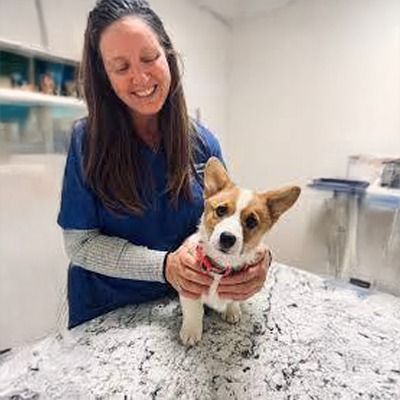

Many pet owners ask the same question when considering surgery for their dog: what age is too old to spay or neuter a dog? While these procedures are commonly performed in younger dogs, older dogs can still safely undergo surgery depending on their overall health.
Spaying or neutering your dog offers important health and behavioral benefits, but the ideal timing can vary based on your dog’s breed, size, and medical history. In many cases, there is no strict upper age limit, but older dogs may require additional evaluation before surgery.
Your pet’s veterinarian can help determine whether spay or neuter procedures are appropriate for your dog and guide you toward the best decision for your pet’s condition.
What spaying and neutering mean for dogs
Spaying and neutering are routine surgical procedures that prevent dogs from reproducing.
For male dogs, neutering involves removing the testicles. Once an intact male is neutered, he can no longer father unwanted litters. Neutering also eliminates the risk of testicular cancer and can reduce hormone-related health problems such as prostate issues and benign prostatic hyperplasia.
For female dogs, spaying removes the reproductive organs, which prevents pregnancy and stops the heat cycle. A female dog spayed before her first heat cycle may also have a reduced risk of mammary cancer and uterine infections.
These procedures are often referred to collectively as spay and neuter surgery.
General guidelines for the best age to spay or neuter a dog
The best age for surgery depends on your dog’s breed and size. Veterinarians often recommend spaying or neutering younger dogs once they approach sexual maturity, but recommendations may vary.
General guidelines may include:
- Small dogs are often spayed or neutered around six to nine months of age
- Medium breed dogs are often spayed or neutered between six and twelve months of age
- Large and giant breeds may benefit from delaying surgery until they are more fully developed
For large and giant breed dogs, waiting until growth plates close may help reduce the risk of certain joint disorders, such as hip or elbow dysplasia. Studies suggest that delaying surgery slightly may support better orthopedic development in some dogs.
However, timing decisions should always be made with guidance from your pet’s veterinarian.
Is there an age that is too old to spay or neuter a dog?
In most cases, there is no specific age that automatically makes a dog too old for surgery. Many older dogs can still safely undergo spay or neuter procedures if they are otherwise healthy.
Before surgery, veterinarians typically perform blood testing and a physical exam to assess your dog’s risk under anesthesia. Factors such as body weight, heart health, and existing health conditions may influence whether surgery is recommended.
Older dogs may have a slightly higher risk of complications due to age-related health issues, but many still recover well when surgery is performed carefully.
If your dog is an intact male or an unspayed female later in life, your veterinarian can help determine whether the benefits of surgery outweigh the potential risks.
Health benefits of spaying and neutering dogs
Spaying and neutering offer several long-term health benefits for both male and female dogs.
For male dogs, neutering eliminates the risk of testicular cancer and can help reduce prostate problems. Neutered males are also less likely to roam or engage in aggressive behavior toward other dogs.
For female dogs, spaying can prevent uterine infections and significantly reduce the risk of certain cancers such as mammary cancer when performed early in life.
Overall, these procedures can contribute to a longer lifespan by preventing serious health problems and reducing the risk of injuries associated with roaming or fighting.
Behavioral benefits of spaying and neutering
Spaying and neutering may also reduce several undesirable behaviors linked to sex hormones.
Intact male dogs may be more likely to roam, mark territory, or display aggression toward other animals. Neutering can help reduce these behaviors and make interactions with other dogs easier.
Female dogs in heat may display restlessness, vocalization, and other behavior changes. Spaying eliminates these cycles and associated behaviors.
While surgery does not solve every behavioral issue, many pet owners notice improvements afterward.
Potential drawbacks and considerations
Although spaying and neutering offer many benefits, there are also considerations to keep in mind.
Some studies suggest that early surgery in certain large breed dogs may be associated with an increased risk of joint disease or orthopedic conditions such as hip or elbow dysplasia.
Surgery may also lead to weight gain if diet and exercise are not adjusted. Because sex hormones are reduced, some dogs may experience changes in metabolism.
Your veterinarian can help you manage these changes through proper nutrition and monitoring body weight.
For female dogs, there may also be a small risk of urinary incontinence after spaying later in life.
These factors should be discussed with your veterinarian when deciding the optimal age for surgery.
Supporting an informed decision for your dog
Choosing when to spay or neuter your dog is an important decision that depends on your dog’s breed, age, lifestyle, and overall health. For most dogs, these procedures offer significant health and behavioral benefits that help prevent unwanted litters and support long-term well-being.
If you are unsure about the best timing, your pet’s veterinarian can provide guidance based on current research and your dog’s individual needs.
At Hometown Veterinary Partners, our veterinary team provides safe spay and neuter procedures and personalized recommendations for dogs of all ages. Contact your local Hometown Veterinary Partners clinic to discuss your options and determine the best timing for your pet.
This article does not constitute medical advice regarding pets. Always consult a veterinarian for an accurate diagnosis and professional guidance related to your dog’s health.